Yamaha’s electric NMAX brings a familiar commuter scooter into the EV era, with a 65-mile claimed range and practical city features.
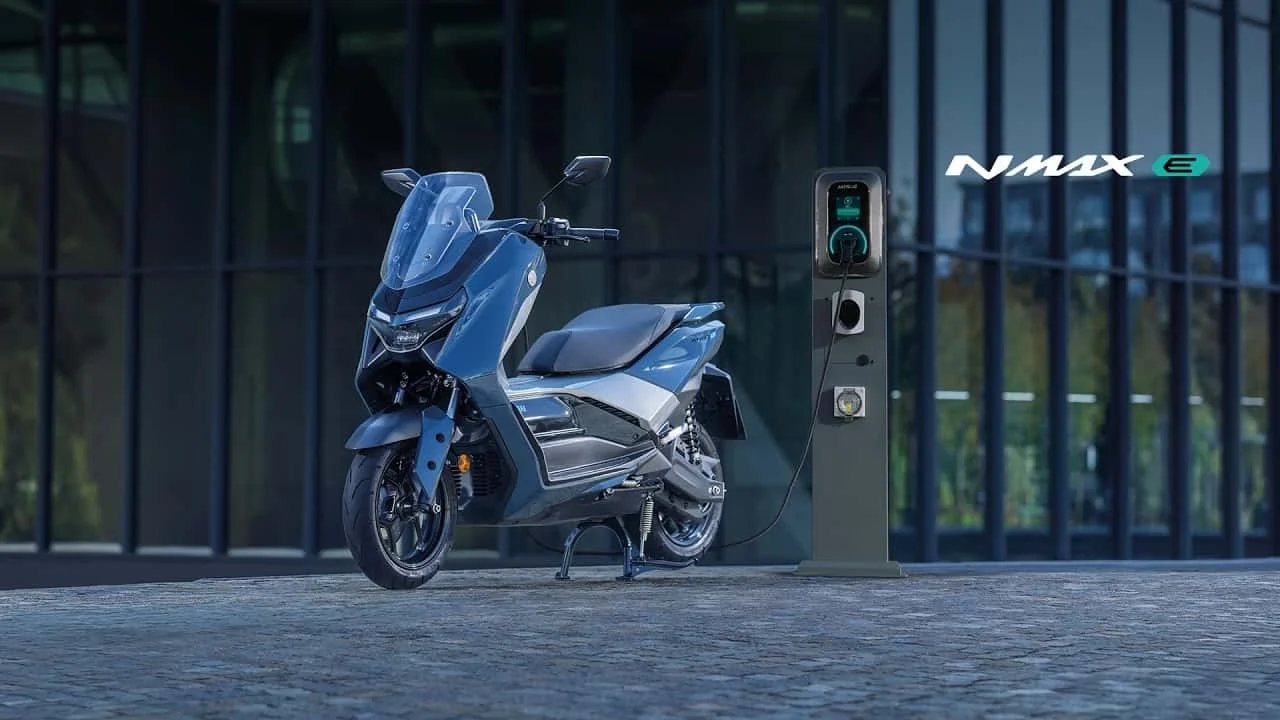
Yamaha’s move into electric scooters starts with a familiar name
Yamaha is bringing electrification to one of Asia’s popular scooters. That matters more than a niche electric model would: choosing a familiar, everyday scooter puts the technology in front of riders who may have no interest in buying something radically different.
The shift is modest in form but meaningful in reach. For riders and the industry alike, the question is whether Yamaha can make an electric version work as a practical continuation of a scooter people already know. The available details here don’t explain the model’s specifications or rollout, so the scale of the change remains unclear.
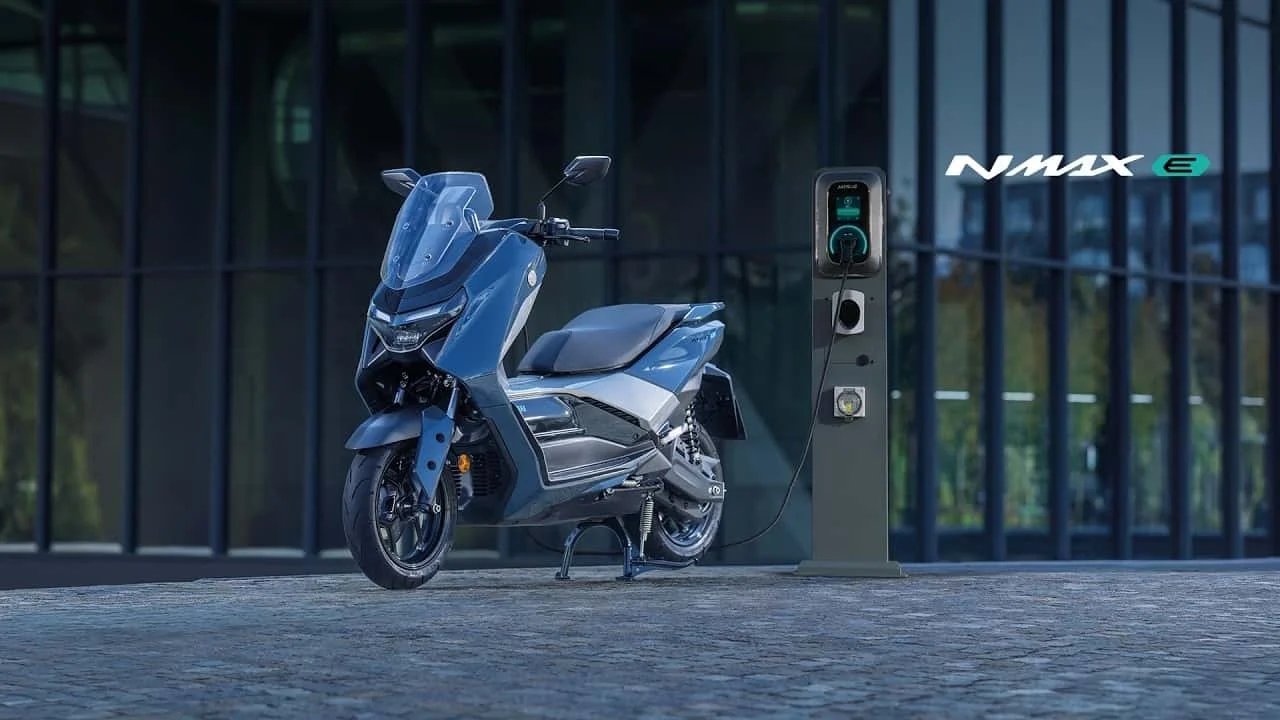
Yamaha’s electric scooter bet starts with a familiar name
Yamaha means sportbikes and adventure motorcycles to many American riders. Across Southeast Asia, though, the NMAX is a much more familiar sight: a practical scooter used for commutes, errands and threading through crowded streets. That difference in perspective matters. The NMAX isn’t a niche model there; it’s part of everyday transport. Yamaha has now turned that popular scooter into the all-electric [NMAX E](https://www.yamaha-motor.eu/gb/en/scooters/sport/pdp/nmax-e-2027/). Its performance and range look modest on paper. That may limit its appeal to riders shopping on numbers alone, but the choice of platform carries more weight than the spec sheet suggests. Electrifying a scooter with an established role in daily travel could matter more to Yamaha than introducing another electric model with no such following.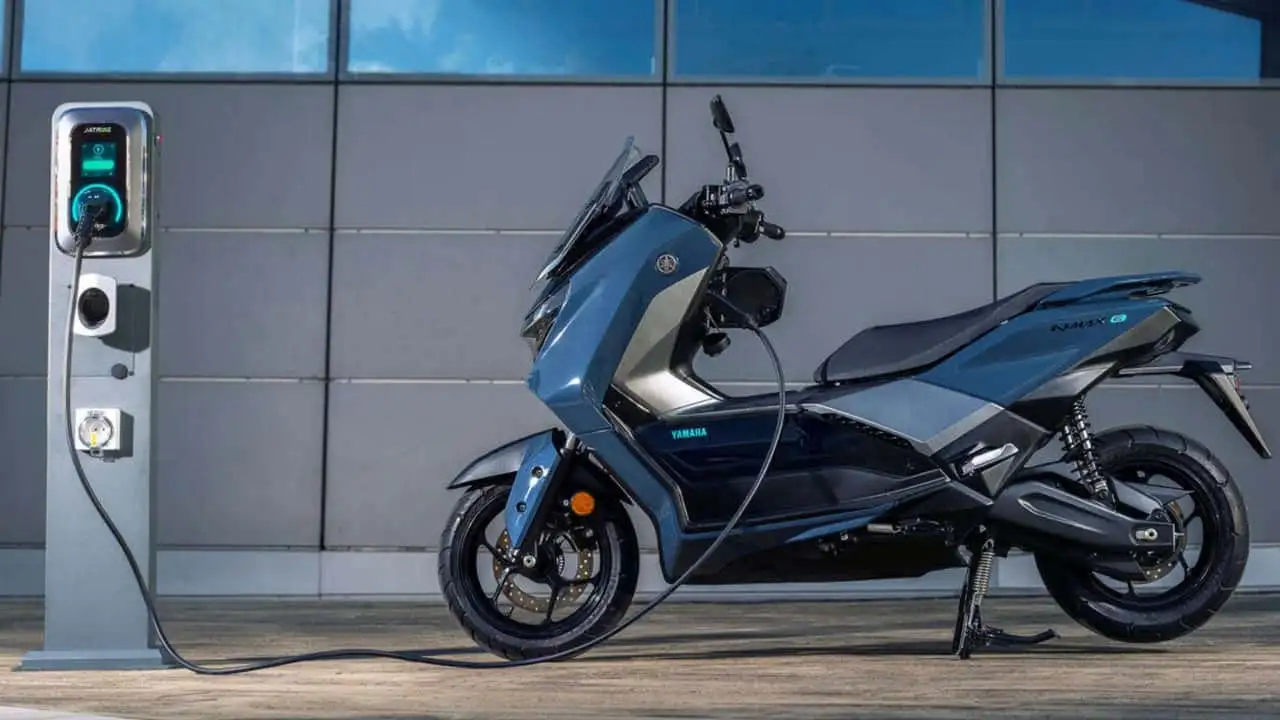
Yamaha’s biggest bet with the NMAX E is familiarity. In Indonesia, Thailand, Malaysia, and the Philippines, scooters carry people to work, move families, and support livelihoods. The NMAX has a useful middle ground in that market: it’s a daily commuter with enough polish to be an aspirational purchase. Electrifying a known favorite could matter more than launching an unfamiliar electric model. Yamaha is carrying over an established name and its appeal while replacing the gasoline engine with an electric motor and battery. That’s a persuasive starting point; the NMAX already has a recognized design and following.
Built around the daily ride
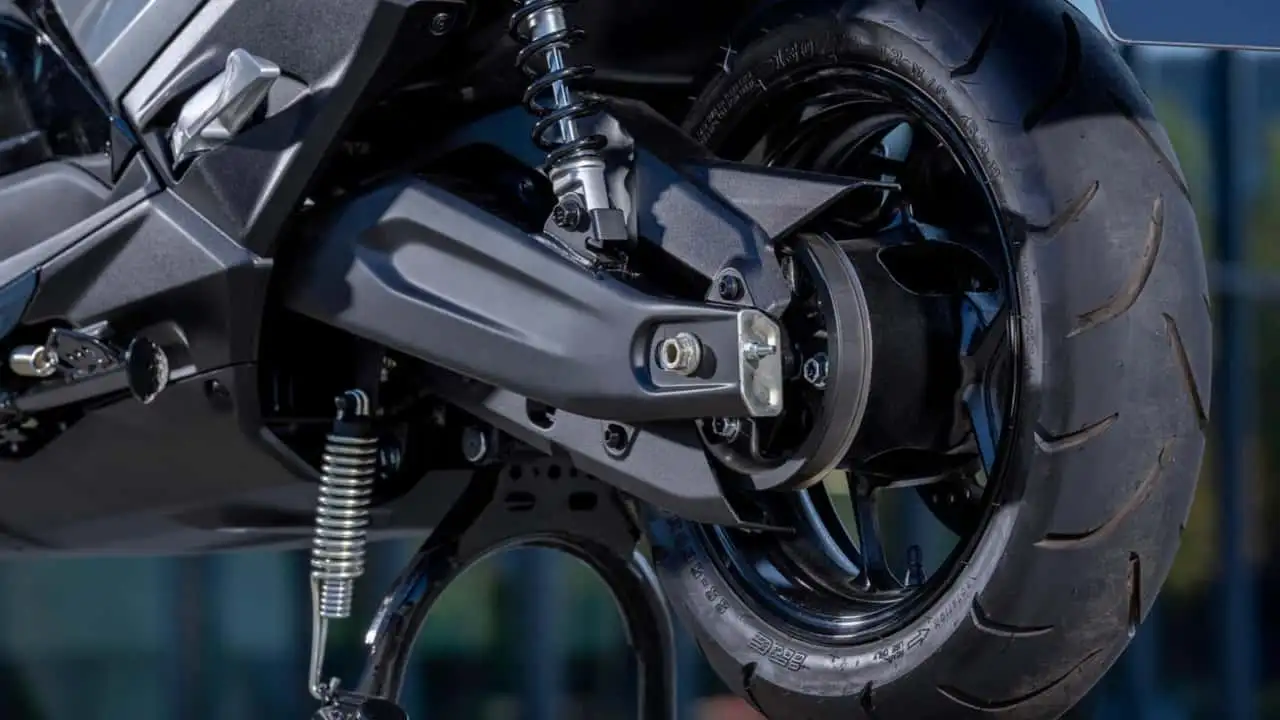
The NMAX E pairs a 3.5-kWh lithium-ion battery with a compact motor rated at 10 horsepower and 24.6 pound-feet of torque. Yamaha claims up to 65 miles per charge under WMTC testing, with a full recharge taking about five and a half hours. That range sounds suited to city use, though the test figure can’t tell you what to expect on a particular route, in traffic, or with a passenger.
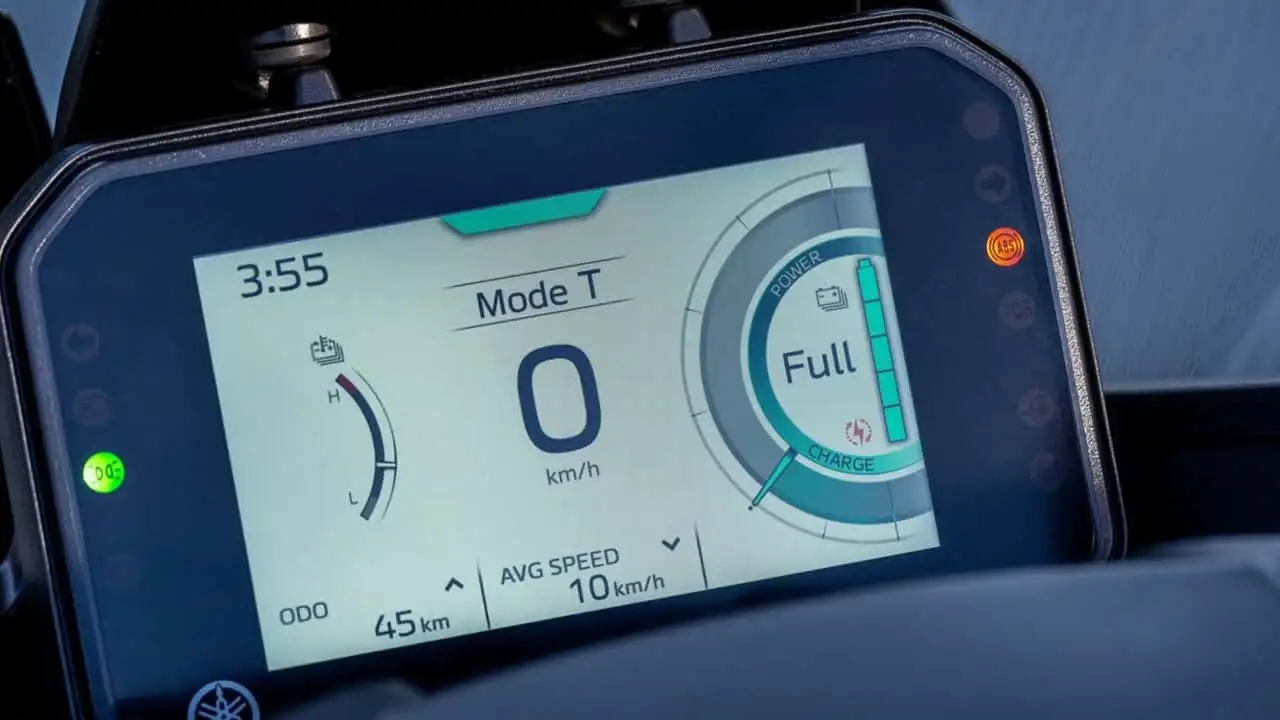
There’s a practical feature list, too: three riding modes, traction control, ABS, regenerative braking, and reverse. A 5-inch TFT screen handles the display, with smartphone connectivity; under the seat, storage can fit a full-face helmet, depending on its dimensions. These details speak to the scooter’s intended job. Riders need useful storage and manageable daily routines as much as they need electric propulsion.
Price and charging will decide the case
Here’s the catch: the battery isn’t removable. For someone who parks in an apartment building without access to an outlet, charging could become the hardest part of ownership. Yamaha also hasn’t announced a price. In markets where gasoline scooters are affordable and quick to refuel, the NMAX E will need to make a convincing case on cost as well as convenience.
European sales are planned for spring 2027, and Yamaha describes the model as intended for global markets. Production is set for Vietnam, but the company hasn’t confirmed launch details for Southeast Asia. That gap leaves the most relevant markets waiting for answers.
The premise is sound: Yamaha has a familiar badge, a customer base, and a scooter built around everyday use. Whether those advantages translate into electric adoption will depend on the ownership details—especially price and access to charging. If you’re watching the electric two-wheeler market, that’s the real test. A trusted name can get riders to consider the switch; it can’t make the switch convenient or affordable on its own.
Source: Yamaha Motor Europe

Discussion
Sign in to join the discussion.