Ducati's 2027 Desmo250 EDX packs desmodromic valves and traction control into a 250cc enduro bike priced at $10,495. Is the tech worth the cost?
A 250cc Dirt Bike With Superbike Hardware
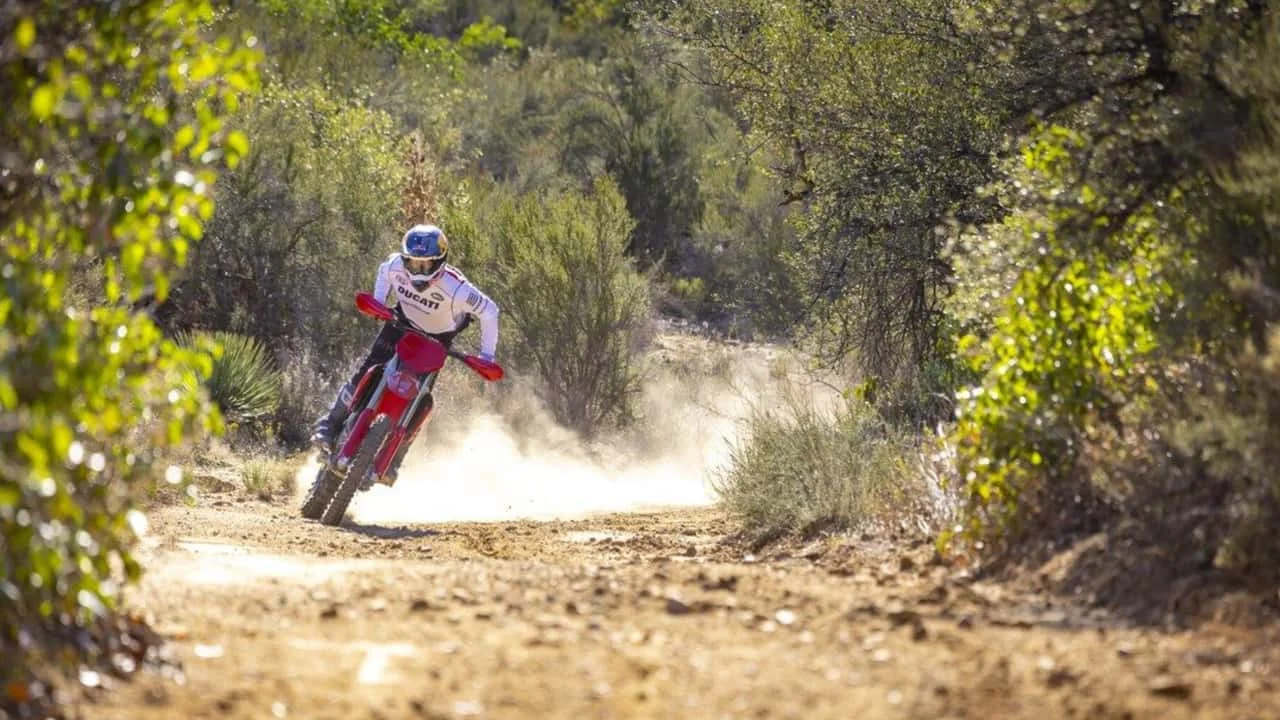
Ducati has built a 250cc dirt bike with superbike-level hardware, and the price is what'll make you stop. Topping $10,000 for a quarter-liter off-roader is a hard sell on paper. But this is a Ducati, and the brand has never been shy about charging for the engineering it puts on a bike.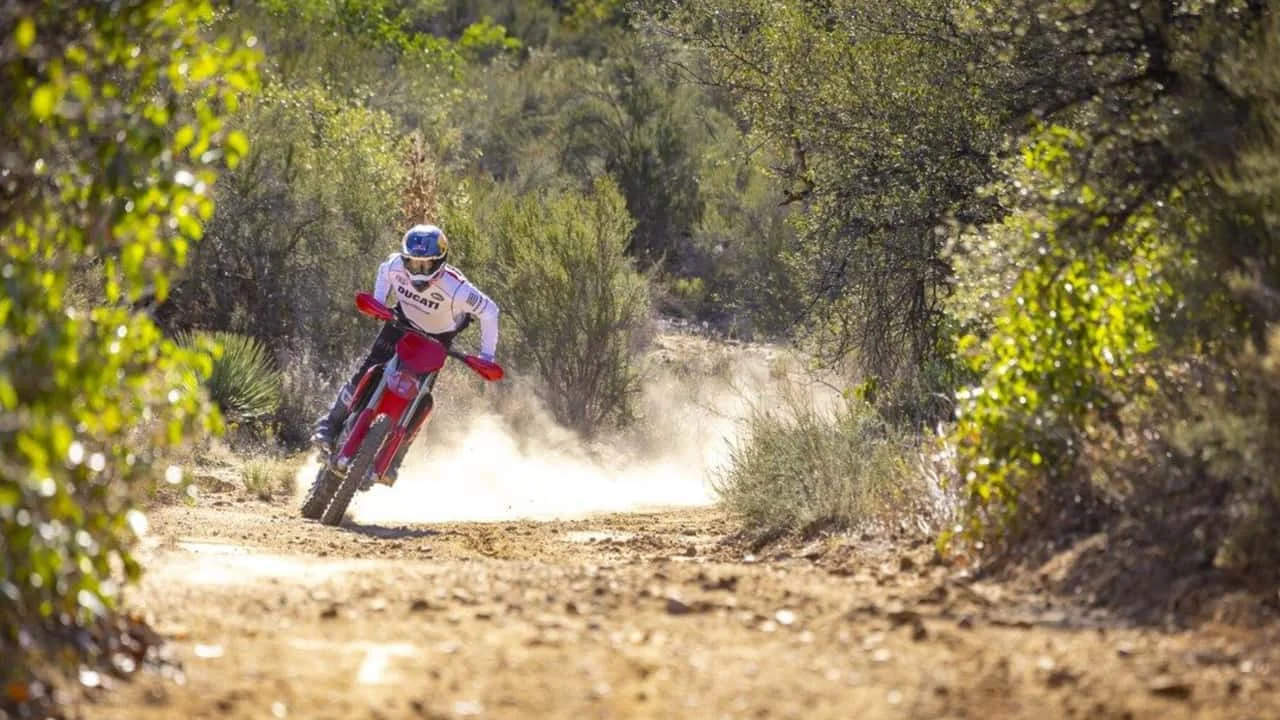
Five figures for a single-cylinder dirt bike
Meet the 2027 Ducati Desmo250 EDX, a 250cc competition enduro that lists for $10,495. That's a lot of money for a single-cylinder dirt bike, and no, Ducati didn't fat-finger the price. Before you judge the buyer, though, look at what's under that familiar red bodywork. The Desmo250 EDX brings serious engineering to a segment where most bikes at this price don't bother.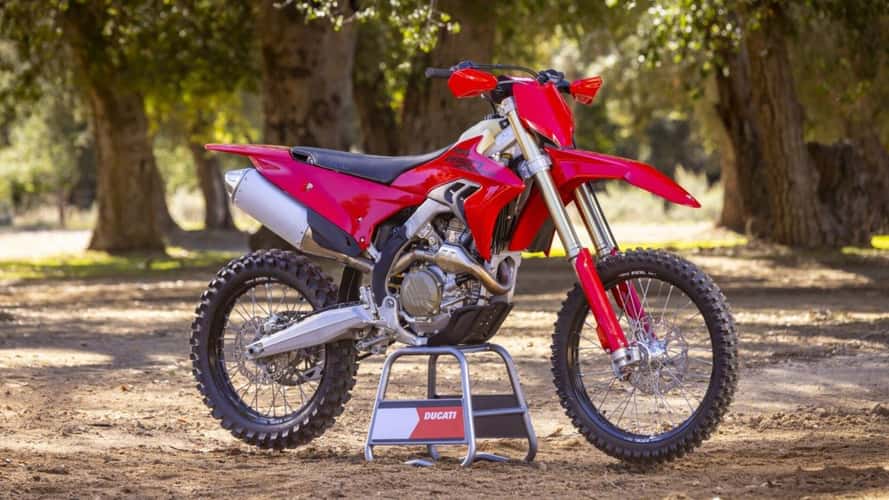 Photo by: Ducati
The sticker shock is real, and it's the first thing most people will fixate on. But the fragment doesn't break down the spec sheet in detail, so the engineering claim rests largely on Ducati's reputation and the bike's pedigree. That's a reasonable starting point given the brand, yet it's worth checking the hardware against the price before you commit. If you're shopping in the competition enduro segment, the real question is whether Ducati's superbike-derived thinking translates into something you'll actually ride hard in the mud, not just admire in the showroom.
A 250cc single with a 14.5:1 squeeze
The Desmo250 EDX starts with Ducati's Desmo250 MX motocross bike, but Ducati has reworked it for cross-country and enduro racing. The 249.7cc liquid-cooled single makes 44.5 horsepower at 12,500 rpm and 21 lb-ft of torque at 8,800 rpm. Those are peaky, race-oriented numbers. The 14.5:1 compression ratio tells you even more. Nobody runs that much squeeze by accident.
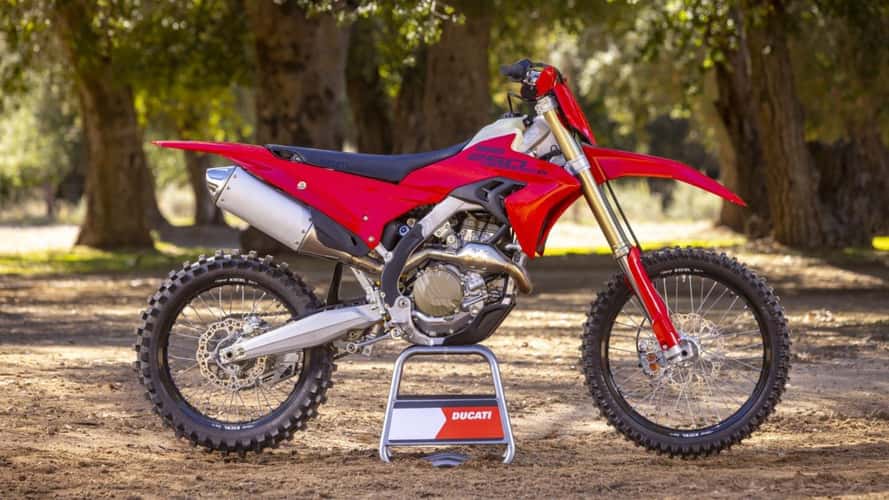
Photo by: Ducati
Springs are optional
The real story is the desmodromic valve system. Most engines close their valves with springs. Ducati's desmodromic design uses mechanical actuation to both open and close the valves, which removes the spring from the equation. Ducati has built its road and racing engines around this idea for decades, and it's a costly, intricate way to keep valve control precise when the revs climb. The fact that it's on a 250cc dirt bike says a lot about how seriously the company takes this bike.
The electronics do more than you'd expect
The electronics package is bigger than you'd expect on a machine that will spend part of its life in a ditch. You get selectable riding modes, traction control, adjustable engine braking, launch control, and an up-only quickshifter for the five-speed gearbox. A fall-detection system is there too.
The headline item is the closed-loop traction control. Ducati says it's a first for off-road applications, with the system actively managing wheelspin rather than just cutting power when things go sideways. That's a meaningful claim, and it's one you'll want to test against real riders on loose ground before taking it at face value. Still, it's the kind of software effort that usually shows up on the road, not in the dirt.
Hardware that can take a beating
Ducati clearly knows that good electronics are wasted on a bike that can't handle rough ground. The EDX uses an aluminum frame, fully adjustable 49 mm Showa forks, and a matching adjustable rear shock. Suspension travel is 12.2 inches up front and 11.9 inches at the rear. The wheels are 21 inches at the front and 18 at the rear, shod with Pirelli Scorpion XC Mid-Soft tires. Brembo calipers handle the stopping.
The weight is where it gets interesting. At 232 pounds with fluids and no fuel, the EDX is light for a machine with this much equipment. The enduro kit adds handguards, a skid plate, and a side stand. The seat sits 38.2 inches off the ground, though, so shorter riders should expect a workout at stops.
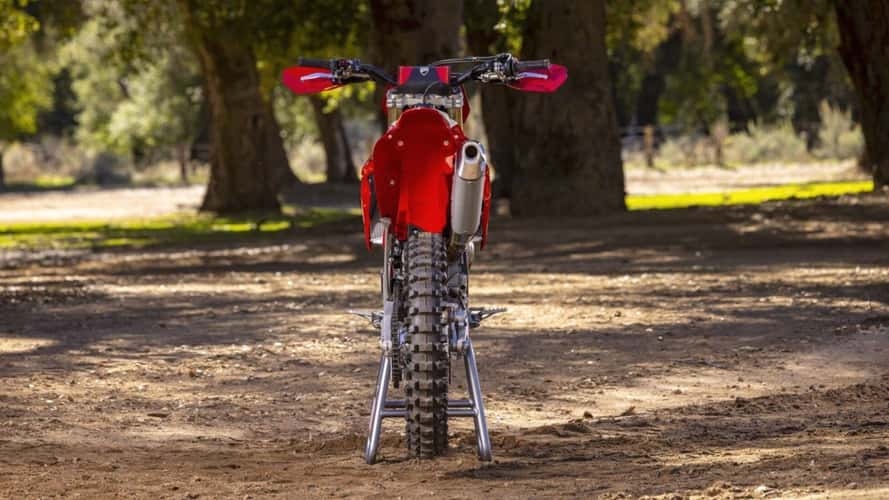
Photo by: Ducati
The maintenance bill is the catch
Here's where the Ducati badge really shows. Oil changes are due every 15 operating hours, valve clearance checks every 45 hours, and piston replacements every 45 to 60 hours. For a highly stressed competition engine, that schedule makes sense. It also means ownership demands far more attention than the usual routine of cleaning and lubing the chain. If you're budgeting for this bike, the service calendar belongs in the spreadsheet next to the purchase price.
Who this bike is actually for
Let's be clear about what the EDX is. It's a competition-focused off-road machine, not a bike you'll register and ride to the coffee shop. It's also not an affordable weekend trail bike. It's built for riders who want serious performance and are willing to pay for it, in money and in maintenance time.
Ducati is pushing further into motocross, enduro, and supermoto, and this bike makes that ambition obvious. The company is going after territory that established dirt-bike brands have held for years. Whether the EDX's premium holds up against those rivals is still an open question. The specs are strong, but specs don't settle it. Race results and ownership experience will.
Even so, Ducati has built a 250cc dirt bike that feels as unapologetically Ducati as its superbikes. For a company that doesn't do anything halfway, that's the point.
Discussion
Sign in to join the discussion.