A 1968 Kawasaki W2 650 SuperSport, idle in a private collection for decades, shows Kawasaki's early push to rival British bikes.
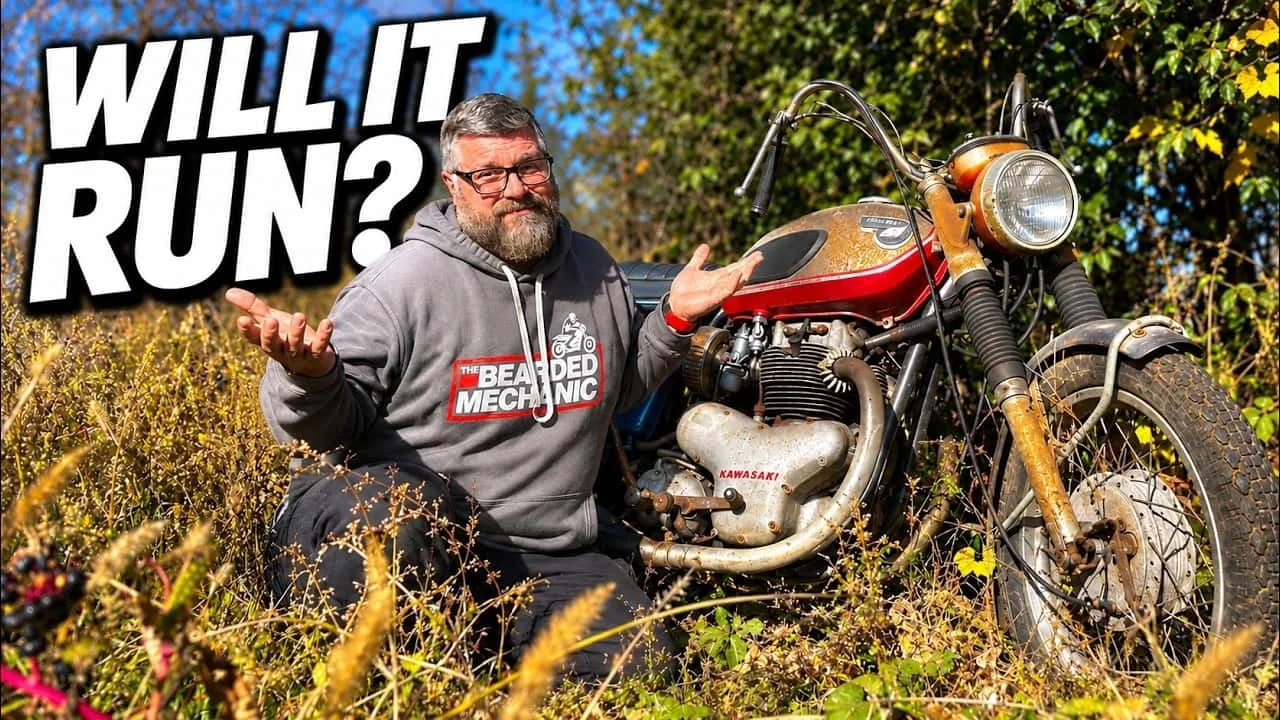
Everyone Wanted a British Bike Back in the Day, Including Kawasaki. Will This One Run?
Kawasaki's 1968 W2 650 SuperSport has been sitting in a private collection for decades, and that's the real hook here. Bikes don't stay unridden that long and come back easily. The question is how much of this one survives intact. The headline makes a point worth taking seriously. British motorcycles had a huge pull on buyers in that era, and Kawasaki wanted a share of it. The W2 was the company's attempt to build a big-displacement machine with that appeal, and a 650 SuperSport from 1968 is an early, ambitious entry in that line.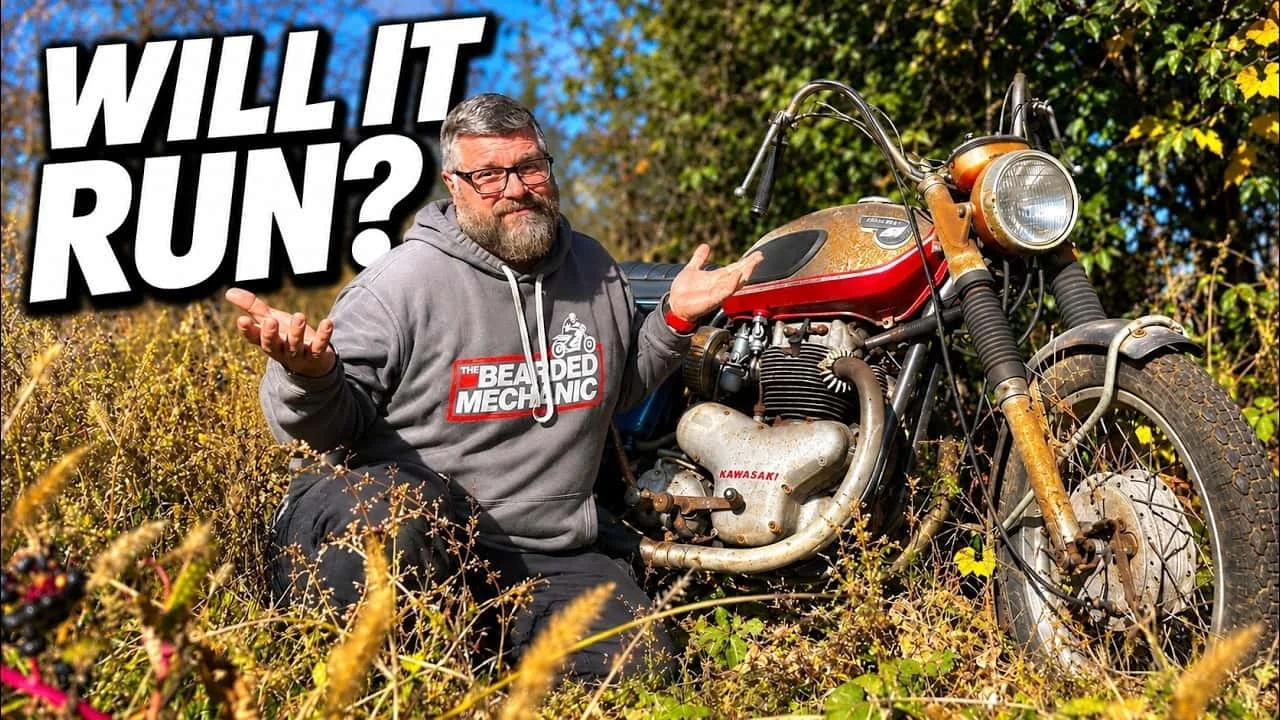 If you'd rather watch than read, the full video runs 46 minutes and 25 seconds. It's [embedded from YouTube](https://www.youtube.com/embed/7knGVLlaLLI), and it's where the bike's condition and the attempt to revive it get their fullest treatment.
 By [Janaki Jitchotvisut](/info/team/janaki-jitchotvisut/), published Nov 13 at 7:57am ET.I'll admit to a soft spot for bikes with more history than horsepower, which is why the Kawasaki I drove most recently made such a useful contrast. It was the bonkers supercharged [Teryx H2](https://www.rideapart.com/news/811401/i-drove-the-kawasaki-teryx-h2-supercharged-video-review/), a machine that sits about as far from the 1960s in spirit and hardware as Kawasaki can get. That's the point. Set a supercharged modern machine beside a 1968 roadster and you get a neat pair of technological bookends, with the company's whole arc stretched between them.
Why start there for a piece about a Bearded Mechanic video on a 1968 Kawasaki W2 660 SS? Because Kawasaki hasn't slowed down. Its [Corleo](https://www.rideapart.com/features/804724/kawasaki-robot-horse-patent-design-drawings-details-explanations/), an [off-road robot horse](https://www.rideapart.com/news/810858/kawasaki-ai-humanoid-robot-kaleido-project-2030/) the company plans to bring to market within the next few years, suggests the strangeness is still being manufactured on purpose. Honestly, it's a lot of weird for one company. Kawasaki's world, and we're all just living in it.
## Before the H1 and H2
The company's roots are less obvious. Kawasaki started as an aircraft manufacturer with a dream of building motorcycles, and that dream took a while to pay off. The machines that set the motorcycle world on fire, the H1 and H2, came later. Before them sat earlier models like this 1968 W2 660 SuperSport, the bikes that show what Kawasaki was trying to become.
Those early bikes don't hide their influences. If you've spent time with vintage British machines (and I mean the real thing, the oil-leaking classics from back in the day), the W2 will look familiar within seconds. Team Green clearly studied what the British makers were doing. Whether that borrowing was simply the fastest route to a credible motorcycle or something more deliberate, the bike itself makes the case: the question of how much of Kawasaki's identity started as imitation is worth asking.
Discussion
Sign in to join the discussion.