Porsche's forthcoming Boxster and Cayman will offer both electric and combustion options, reflecting a strategy shift in response to market conditions.
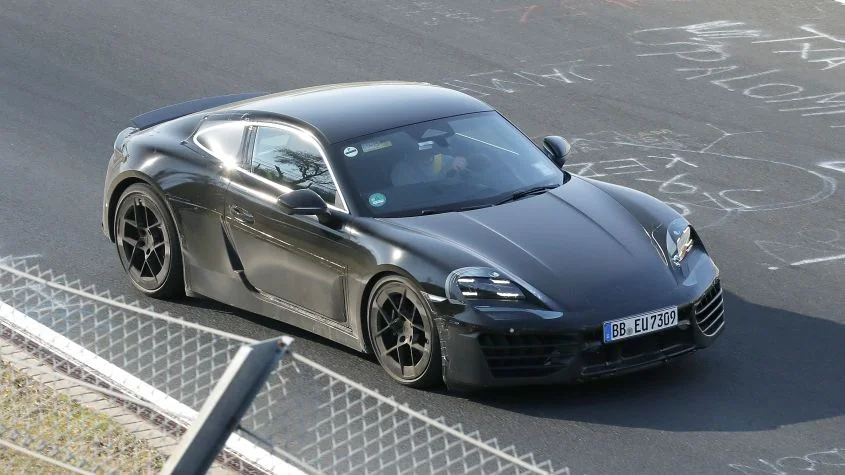
Porsche is navigating a tricky path with its upcoming Boxster and Cayman models, balancing between electric and combustion power as it re-evaluates its strategy. While the brand has indicated a reduced focus on full electrification, it appears that the all-electric variants of these iconic sports cars will launch first, despite the company’s broader pivot away from electric-only models.
Evolution of Design
The latest spy shots of the Boxster EV undergoing tests at the Nürburgring reveal a vehicle very close to production readiness. This prototype showcases clear lines and features reminiscent of Porsche’s modern design language, including slim rear lights, Taycan-inspired front aesthetics, and well-integrated aerodynamics like a deployable rear wing. The visual cues not only amplify Porsche's signature style but also reflect a commitment to functionality—elements like the rear wing serve as critical components for enhancing aerodynamics and performance at speed, crucial for a sports car brand that lives and breathes on the track.
Curiously, Porsche's commitment to maintaining its classic aesthetic while ushering in electric technology points to a broader trend among automakers. They’re often under pressure to remain true to their heritage, which can lead to design compromises. With Porsche, however, the marriage of classic design and new technology seems to be more of a calling card than a hurdle. Enhancing performance without altering the brand’s essence could create a distinctive market offering that car enthusiasts might appreciate.
Strategic Shift in Powertrains
Porsche’s shift in strategy was officially announced last year, revealing plans to develop hybrid alternatives alongside combustion models rather than committing entirely to electric vehicles. The forthcoming Boxster and Cayman are part of this vision, with higher-performance variants likely retaining traditional gasoline engines. Notably, amidst this shifting strategy, the development of a larger electric SUV model has been scrapped, while a hybrid version of the next-generation Macan has been prioritized. This dual approach allows Porsche to hedge its bets, catering to diverse consumer preferences while remaining competitive in an increasingly polarized market.
If you’re working in this space, this pivot tells you a lot about the current state of consumer sentiment towards electrification. Despite the push from regulators and a certain segment of consumers for full electric models, there is still a strong appetite for performance vehicles that roar rather than whir. By maintaining a hybrid option, Porsche is not just preserving traditional driving experiences; it’s building a bridge toward future innovations while acknowledging the legacy that fuels many enthusiasts today.
Regulatory Shifts and Market Position
Changes in automotive regulations could also influence how these new models are positioned in the market. Initially, the expectation was that a combustion vehicle ban in the UK could impact sales; however, recent amendments allow lower-volume manufacturers to continue offering combustion cars until 2035, which includes hybrid options. This opens up potential avenues for hybrid Cayman and Boxster models that can incorporate electric drivetrains while keeping combustion engines in the mix for several more years. The nature of these regulations often creates a sense of urgency for automakers to innovate, but they also provide breathing room for niche brands like Porsche, which can capitalize on a loyal fanbase unwilling to fully forsake traditional powertrains.
Performance Expectations
Under the hood, the next Boxster and Cayman are anticipated to offer impressive performance numbers, with high-output variants expected to generate around 600bhp. For context, the Turbo variant of the new Macan EV can produce up to 630bhp. Although the Taycan Turbo GT stands at the pinnacle with 1020bhp, the Boxster and Cayman, being smaller and lighter, will likely deliver thrilling performance without reaching those stratospheric figures right off the bat. The performance metrics themselves are what enthusiasts desire. They crave not just numbers but a visceral driving experience that electrification alone can sometimes overlook. It’s a fine balance that Porsche will need to achieve to keep its core audience satisfied.
Maintaining the Soul of the Brand
Both the Boxster and Cayman will maintain their mid-engine layouts, ensuring they deliver the driving dynamics Porsche enthusiasts expect. They’ll be based on a new dedicated platform tailored specifically for two-door sports cars, which will facilitate an optimal balance of weight distribution and battery placement without compromising the driving experience that these models are known for. And yet—there’s always skepticism about how an electric powertrain could alter that careful balance. Will an electric version still feel like a true Porsche? Time will tell.
Market Competition: A Glimpse at Rivals
Looking at the competition, brands like Alpine and Lotus are also reevaluating their electric strategies. Alpine is preparing to unveil an updated A110 with electric power but retains the flexibility to integrate combustion engines, while Lotus has opted to continue evolving its Emira with hybrid enhancements rather than fully transitioning to electric. These maneuvers indicate that Porsche isn’t the only one trying to keep one foot in both camps. The automotive landscape is changing, and companies are grappling with customer desires for performance without total commitment to one power source.
Future Outlook and Implications
In the backdrop, Toyota is developing new engine technology that could shake up the market. The G20E engine is designed for flexibility, powering a mid-engine vehicle that aligns with current trends and consumer expectations. This evolution suggests a growing acknowledgment among automakers that while electric vehicles are important, there's still a significant market for petrol-powered sports cars. The innovations at Toyota could further influence expectations, illustrating that electric isn’t the only path to modernization.
As Porsche prepares to launch the next-generation Boxster and Cayman, the intersection of traditional driving excitement and electric performance will be key. The success of these models will heavily depend on how well Porsche can blend these two worlds in a market that continues to change. This is more significant than it looks; the decisions made now will echo for years to come, shaping not just Porsche’s identity but the segment itself.
Discussion
Sign in to join the discussion.