The Mitsubishi Pajero Sport is nearing its end in Australia while continuing production in other markets, as the brand prepares for a new model launch.
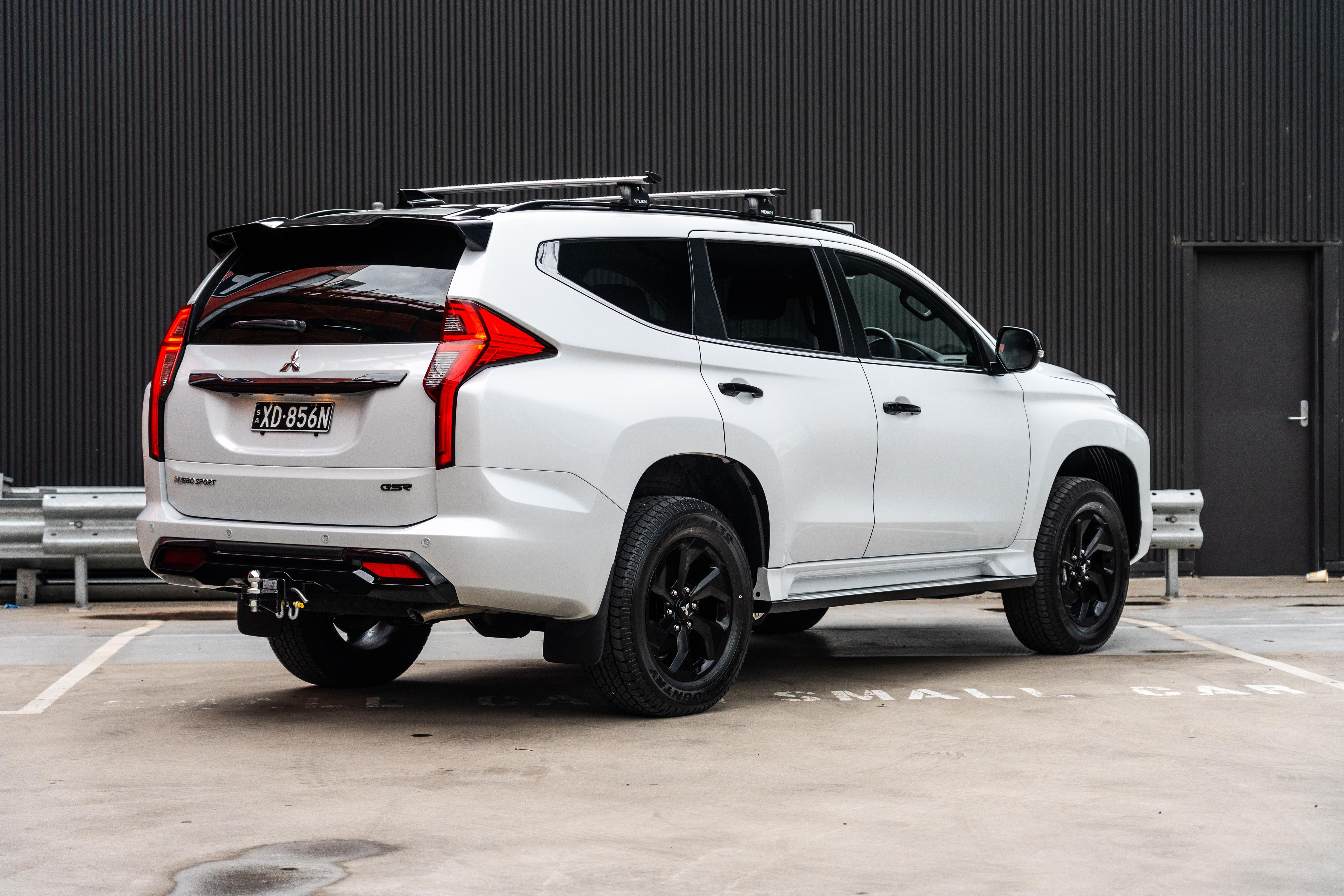
The Mitsubishi Pajero Sport is set to exit Australian showrooms, marking the conclusion of a decade-long run for this popular off-road SUV. As the brand gears up for the launch of the revamped Pajero in December, only a limited stock of the Pajero Sport remains available.
Transition in Mitsubishi's Lineup
Shunichi Kihara, CEO of Mitsubishi Motors Australia, stated at the new Pajero's September 2 debut in Tokyo, “Our dealers have a small quantity of stock at this moment so maybe in the next few months everything will go.” This aligns with the Pajero Sport's history, which began in Australia in December 2015 and has since undergone facelifts in early 2020 and May 2024, before being discontinued due to new federal safety regulations effective March 2025.
The Pajero Sport's departure is part of a larger strategy for Mitsubishi in Australia. The company is shifting focus to its remaining models, notably the Outlander and Triton. However, as the brand looks to streamline its offerings, the discontinuation of a well-loved model can leave a gap in the market, particularly among loyal customers who appreciate its blend of ruggedness and practicality. With the Pajero Sport being a significant contributor to Mitsubishi's sales, the upcoming changes raise questions about how the company intends to fill that void and maintain customer loyalty.
Market Position and Pricing Dynamics
As stock of the Pajero Sport dwindles, Mitsubishi Australia will have just three models left in its lineup. The Pajero Sport had positioned itself as the brand's third-best seller, trailing only the Outlander and Triton. The new Pajero will carry a higher price tag, starting from about $68,490, compared to the Pajero Sport’s last available price of roughly $51,540 before on-road costs. This notable price increase poses a challenge: how many existing Pajero Sport customers are willing to transition to a more expensive vehicle? The higher entry price could discourage potential buyers who are attracted to the Pajero Sport’s affordability and versatility.
Consumer sentiment will likely play a key role in determining the new Pajero's success. Those who have been loyal to the Pajero Sport might feel alienated by the higher price point and opt for models from rival brands that offer similar features at a more accessible price. Here's the thing: this transition offers a unique opportunity for competitors to capture the market share that the Pajero Sport will vacate.
Structural Changes and Performance Enhancements
Unlike its predecessor, which was built on a monocoque platform, the new Pajero is constructed on a ladder-frame chassis shared with the Triton. This chassis has been significantly upgraded, enhancing performance and durability. Such structural changes are critical in the off-road segment, where vehicles often face challenging terrains. Consumers expect enhanced capability when they invest in an SUV, and the ladder-frame design is traditionally associated with superior toughness and off-road proficiency.
The improvements may attract a different segment of buyers—those who prioritize rugged performance and towing capacity. Yet, the shift from a monocoque to a ladder-frame may also turn off some urban buyers who favor comfort and on-road dynamics. (And this is the part most people overlook.) Those individuals usually weighing their SUV purchases based on daily utility and comfort might see the Pajero as less appropriate for their needs. This dichotomy in buyer preferences could create a challenging balancing act for Mitsubishi’s marketing team.
International Availability and Variants
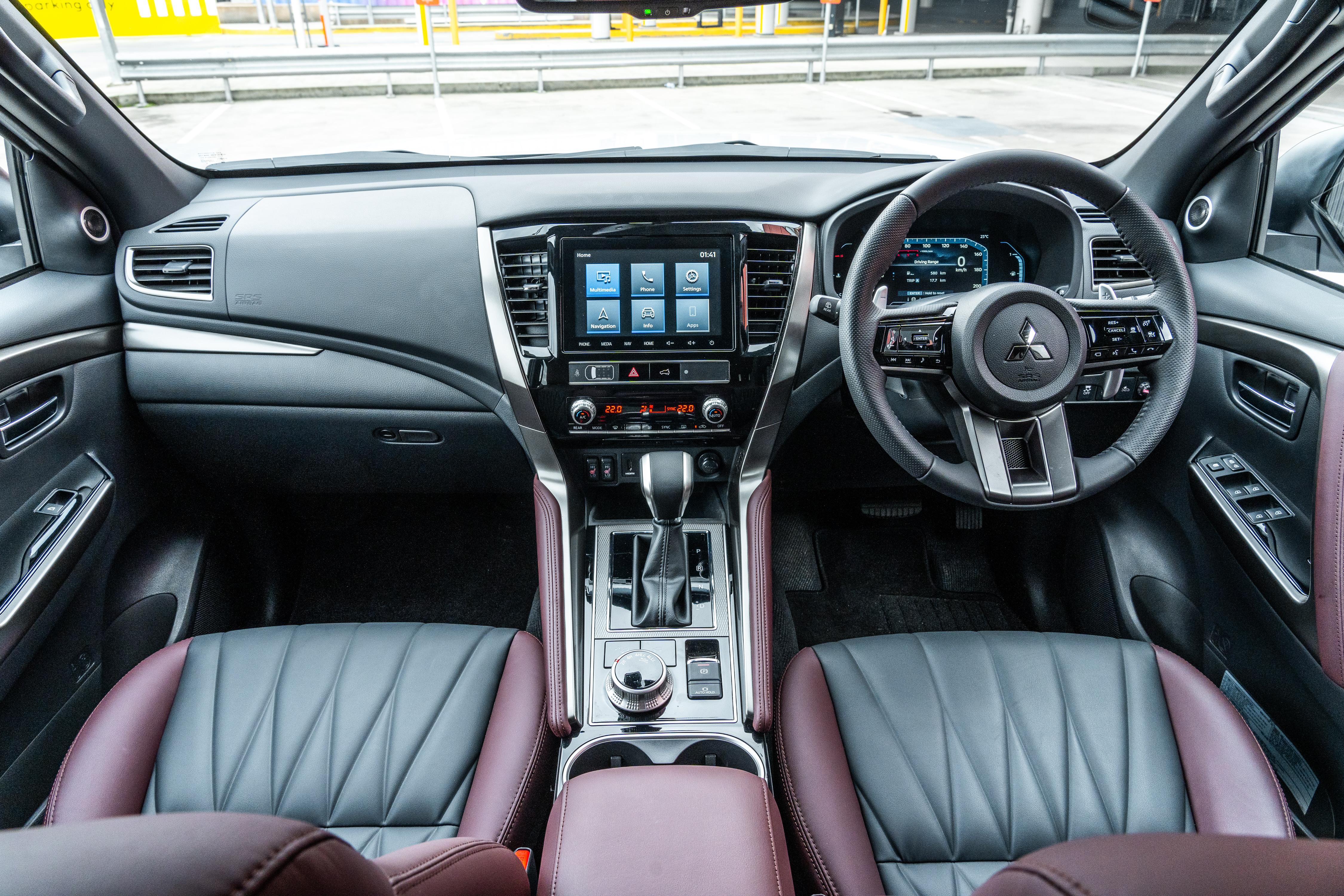
Interestingly, the Pajero Sport will still be produced for international markets, including New Zealand and Thailand, where it continues to sell alongside the new Pajero and the Triton. In these regions, the Pajero Sport is available in several variants, such as the GT, Prime, and Elite Edition, with the latter offering both rear-wheel and four-wheel drive options. In February 2025, the Prime variant will receive new enhancements, including a black grille, roof rails, and a more modern interior design.
This continued production abroad underlines the Pajero Sport’s viability outside the Australian market. While Australian consumers might be moving on, international buyers clearly still see value in the outgoing model. This strategy could help Mitsubishi maintain some brand continuity and goodwill, satisfying existing customers in those regions. By releasing updates and variants, Mitsubishi can appeal to a broader audience that appreciates diversity in features and designs.
Core Features and Performance Specifications
Internationally, the Pajero Sport includes an array of features, such as an 8.0-inch infotainment touchscreen and advanced driver-assistance systems. All versions are powered by a 2.4-litre four-cylinder turbo-diesel engine, producing 133kW and 430Nm of torque, featuring Mitsubishi’s Super Select 4WD-II system to cater to different terrains. It’s clear that Pajero Sport models are designed for those who engage regularly in outdoor activities, allowing for both on-road comfort and off-road capability.
In a market increasingly dominated by electrification and hybrid technology, the Pajero Sport has the potential advantage of being a solid diesel option in regions where diesel engines are still highly regarded for their efficiency and torque characteristics. However, as more consumers gravitate toward greener alternatives, Mitsubishi may need to think about how to position the Pajero in a market that’s trending towards sustainability.
Conclusion: What Lies Ahead
The Pajero Sport, known as the Challenger in places like Australia and Japan, has a long history dating back to its initial production in 1996, being succeeded by the current third generation in 2015. The brand now stands at a crossroads. The sunset of the Pajero Sport represents both an end and a beginning for Mitsubishi. While the new Pajero aims to capture the essence of its predecessor, the real key will be how effectively Mitsubishi can pivot and adjust to shifting consumer preferences and regulatory challenges.
If you’re paying attention to the SUV market, the shift signifies more than just a model change; it reflects broader trends in automotive design and consumer behavior. From here, the brand’s path hinges on strategy, execution, and market reception. The era of the Pajero Sport may be closing, but whether it'll remain a sweet spot in Mitsubishi's memory or fade into obscurity depends on how well the new Pajero can fill its shoes.
Discussion
Sign in to join the discussion.