The Nissan Kicks is set for a UK and European launch, with Australia exploring the possibility of introducing the model, challenging market dynamics.
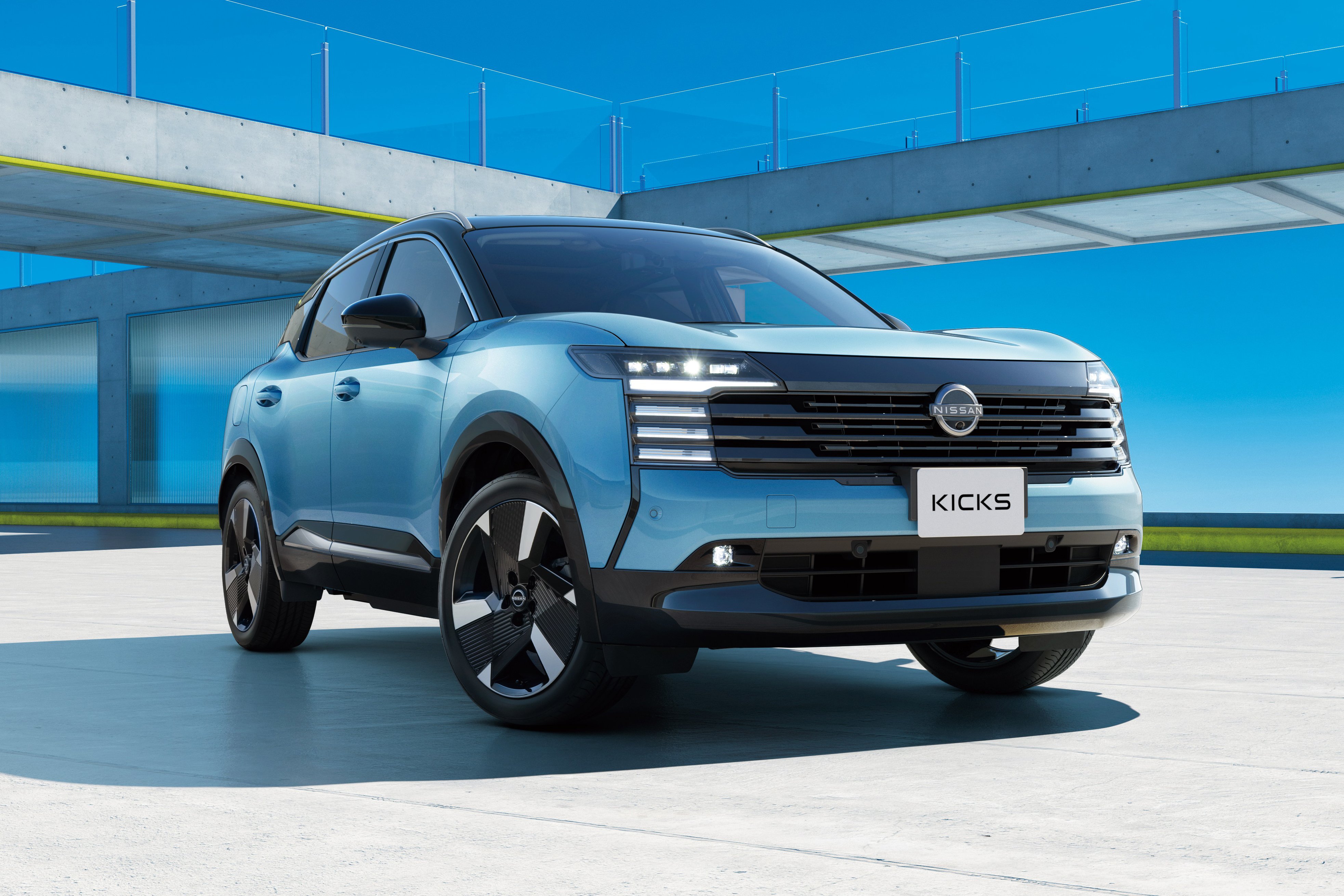
Nissan Kicks Gears Up for Broader Market Availability
Nissan's Kicks small SUV is preparing for its debut in the UK and European markets, signaling a notable expansion as it approaches a few remaining regions without the model, including Australia. Currently, Nissan is evaluating the business case for introducing the new generation Kicks down under, although no immediate plans have been officially confirmed by the Australian branch. This expansion is part of Nissan's broader strategy to increase its global footprint, particularly in markets that are yet to experience the Kicks brand. The move appears to be timed to leverage the growing popularity of small SUVs, which are becoming increasingly preferred by urban consumers looking for versatility without sacrificing maneuverability.
Production Investment and Specifications
As part of this strategic rollout, Nissan has pledged £170 million (approximately A$320.2 million) to its Sunderland facility in the UK, which will produce the Kicks in an e-Power hybrid configuration. This investment not only highlights Nissan's commitment to sustainability and innovation but also positions its UK operations as a key hub for hybrid technology. Meanwhile, the vehicle is being manufactured in Mexico, Brazil, and Japan, with production of the second generation commencing in 2024. The Japanese variant, anticipated for the Australian market, won’t hit production until 2026. This staggered production schedule suggests Nissan is thoughtfully planning its rollouts to match market demand and local regulations regarding emissions and environmental standards.
Market Competition and Potential for Kicks
Australia, along with New Zealand and South Africa, remains among the few places without a Kicks variant in showrooms. This absence is significant given the rise in demand for small SUVs, a trend not limited to just one region but observable globally. In contrast, the earlier generation Kicks continues to be produced for Asian markets, including Thailand and Taiwan, where its updated version, known as Kait, is available. What this means for Nissan is that they're potentially missing out on capturing a growing market segment in Australia, where competition is fierce among small SUVs. With rivals increasingly flooding the market, the clock is ticking for Nissan to establish a foothold before the shift toward electric vehicles becomes even more pronounced.
Design and Performance Features
This latest Kicks, built on the Juke's CMF-B architecture, measures 4365mm in length, 1800mm in width, and stands 1610-1615mm high with a 2655mm wheelbase. When compared to the Qashqai, it is notably smaller—60mm shorter, 35mm narrower, and around 10-15mm lower, with a 10mm shorter wheelbase. This size reduction leaves the Kicks better suited for urban environments where parking and navigation in tight spaces can be challenging. The design approach taken by Nissan reflects current automotive trends, focusing on compact crossovers that offer practicality without sacrificing style. Balance between aesthetics and functionality here is crucial.
Powertrain Options
The e-Power hybrid system features a 1.4-litre three-cylinder engine pairing with a 105kW/315Nm electric motor. Instead of powering the wheels directly, this design offers a unique approach, with all-wheel drive variants incorporating a rear motor as well. This innovative layout aims to deliver enhanced efficiency and driving dynamics, appealing to consumers who are increasingly environmentally conscious. Customers can also opt for petrol variants with turbocharged or naturally aspirated engines in select global regions. As fuel efficiency becomes a higher priority for buyers worldwide, the diverse powertrain options may help the Kicks cater to a broader audience, particularly those hesitant to transition fully to electric vehicles just yet.
Interior and Technology
In terms of tech, the Kicks boasts a dual 12.3-inch digital display setup—instrument cluster and infotainment system—which is complemented by advanced active safety features like blind-spot monitoring and a surround-view camera setup. These features not only enhance the driving experience but serve as critical selling points in a competitive market. Additionally, the ProPilot technology provides adaptive cruise control paired with lane-keeping assistance. This inclusion is particularly relevant as more consumers seek advanced driver assistance systems, which can boost both safety and convenience. Yet, questions remain about how these features will be received within the Australian context, where some buyers may value different functionalities.
The Future of Nissan in Australia
Should the Kicks make its way to Australia, it is positioned to fill the gap left by the Juke, which was discontinued earlier this year. The impending third generation of the Juke, set for UK production, will only be available with an electric powertrain, ruling it out for the country. This context places Kicks at an advantage, appealing to a customer base that might still be considering hybrid solutions instead of fully electric vehicles. With the Qashqai struggling significantly—sales have plummeted by 72.8% year-to-date and volumes are reminiscent of figures from a decade ago—the introduction of the Kicks could further challenge the existing lineup. Currently, the Qashqai's shift towards hybrid offerings has seen base prices rise over $10,000, which could push potential buyers towards the Kicks if it becomes available. If you're working in this space, you know how vital timing and pricing strategies are as markets shift toward more sustainable options.
Nissan's Broader Strategy
Nissan's move to a predominantly hybrid lineup for the Qashqai by 2026, paired with the axing of affordable petrol options, has resulted in the X-Trail emerging as the most budget-friendly model in the Australian market, starting at A$38,305. This creates a curious dynamic for consumers who might be caught between a desire for hybrid technology and the need for affordability. Nissan Australia is also expected to draw on its partnership with the Dongfeng joint venture for additional model offerings, which may include plug-in hybrids, although small SUVs currently lack right-hand drive options that are suitable for the Australian market. The implications of such a partnership could extend beyond just model offerings and impact pricing and availability as well.
A Continued Global Presence
Nissan has successfully sold over 1.8 million Kicks units across more than 70 countries since its launch in 2016. While the Kicks may be a lesser-known name in Australia, its potential entry could reshape the competitive dynamics for Nissan's SUV segment locally. The ongoing success in other markets opens pathways for new strategies and adjustments tailored specifically to Australian consumers. This is more significant than it looks; if Nissan gets the marketing right, the Kicks could significantly alter consumer perceptions and sales trajectories. As buyers become increasingly discerning, how well Nissan addresses their needs will directly affect the Kicks' success.
MORE: Explore the Nissan showroom
Future Outlook and Implications
The pathway for Nissan’s Kicks in Australia isn’t just a matter of introducing a new model; it could potentially redefine the brand's presence in the growing small SUV market. This model represents Nissan's opportunity to reconnect with buyers looking for modern, efficient, and stylish vehicles that meet contemporary needs. If the Kicks launches successfully, it may lead to a re-evaluation of Nissan's broader strategy in the Hyper-competitive SUV segment. The shift toward hybrid and future electric versions is likely to be welcomed, but execution will be key. Will Nissan move quickly enough?

Discussion
Sign in to join the discussion.