Chery's new Lepas brand in Australia leverages existing systems and infrastructure, enabling cost-efficient market entry amidst stiff competition.
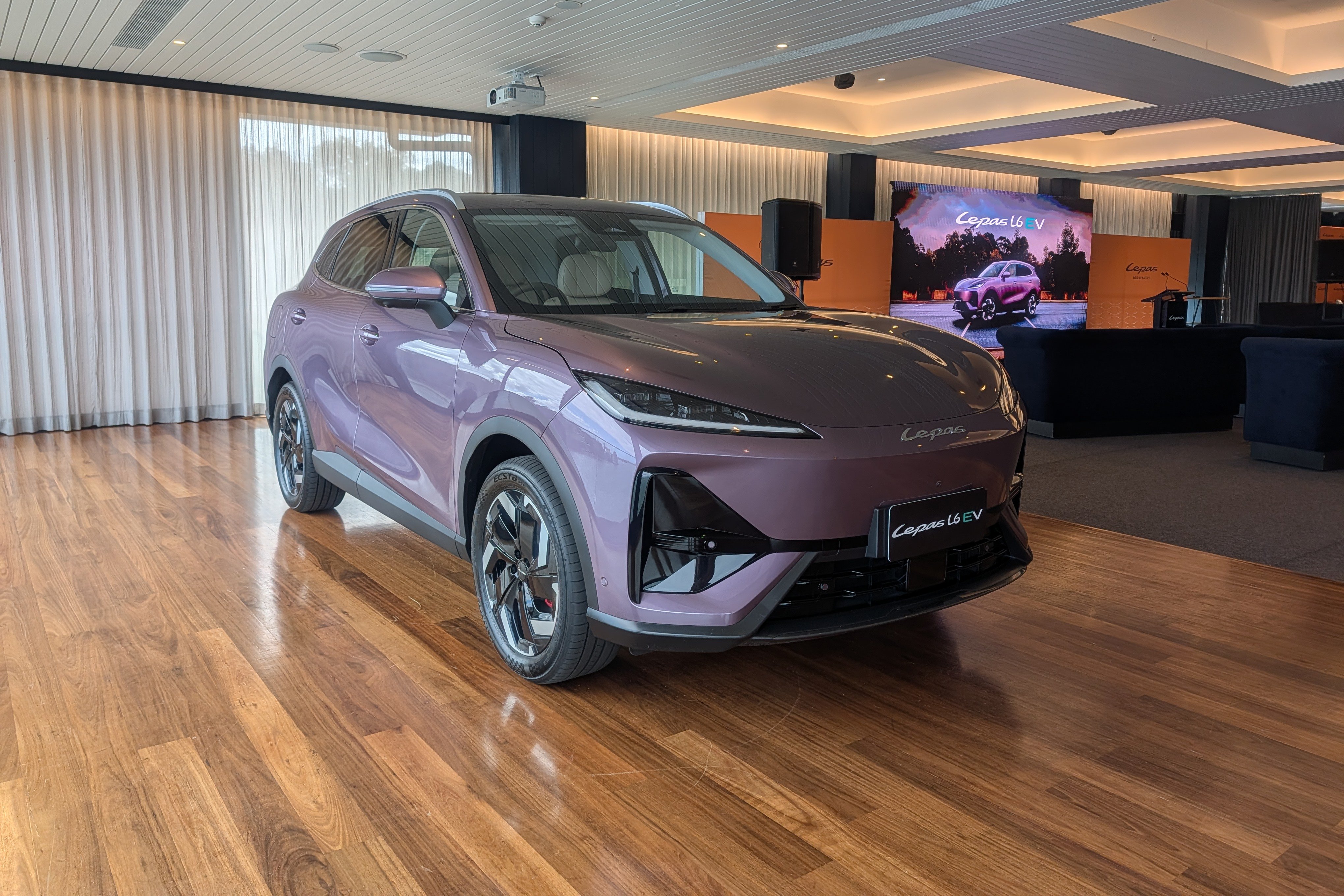
Chery is set to launch its third automotive brand, Lepas, in Australia this year, capitalizing on its established infrastructure to minimize setup costs. This strategic approach allows Lepas to operate through an independent sales network while utilizing the back-end systems already in place for other Chery Group brands. The launch of Lepas could mark a significant shift in the Australian automotive market, especially considering Chery's growing presence in the region.
Operational Strategy and Market Entry
According to Lucas Harris, Chief Operating Officer of Chery Motor Australia, the success of Lepas hinges more on its appeal to customers than on the broader Chery business framework. “Can it attract customers? Can it sell and provide options to customers that they want?” he queried. This question encapsulates a critical point in Lepas's strategy: it aims to distinguish itself within a competitive automotive landscape. Drawing on existing infrastructure allows Chery to support Lepas without massively escalating costs, but the real test will be whether this base is enough to lure buyers away from established competitors.
Here’s the thing: while leveraging existing systems sounds efficient, it raises questions about brand identity in a market saturated with alternatives. Customers often buy based not just on product specifications but on brand reputation and perceived value. If the public sees Lepas as just another Chery brand, it might struggle to make inroads against entrenched players like Toyota and Ford, who have loyal followings built over decades.
Calculated Risks and Rewards
This plan reflects a calculated risk—by leveraging established systems, Chery believes it can smoothly integrate Lepas into a crowded marketplace. Harris likened the operational complexity of managing multiple brands to that of existing manufacturers juggling numerous models and variants. This perspective reflects a growing trend among automakers who diversify their offerings to capture different consumer segments. While established brands often maintain low-volume models for a range of consumer preferences, the stakes are higher for newcomers. It’s not just about adding a model; it’s about ensuring it doesn’t dilute the overall brand perception.
While launching a new brand inherently comes with challenges, such as building a dealership network projected to reach 50 locations by the end of 2027, marketing a new name, and maintaining resale values, Harris maintains that the potential rewards justify the risks. Lepas is positioned not as a luxury brand but within mainstream segments alongside its sister brands, Chery and Omoda Jaecoo. The forthcoming L4 EV, for instance, will directly compete with models like the Chery E5 and Jaecoo J5 EV.

Broader Brand Expansion
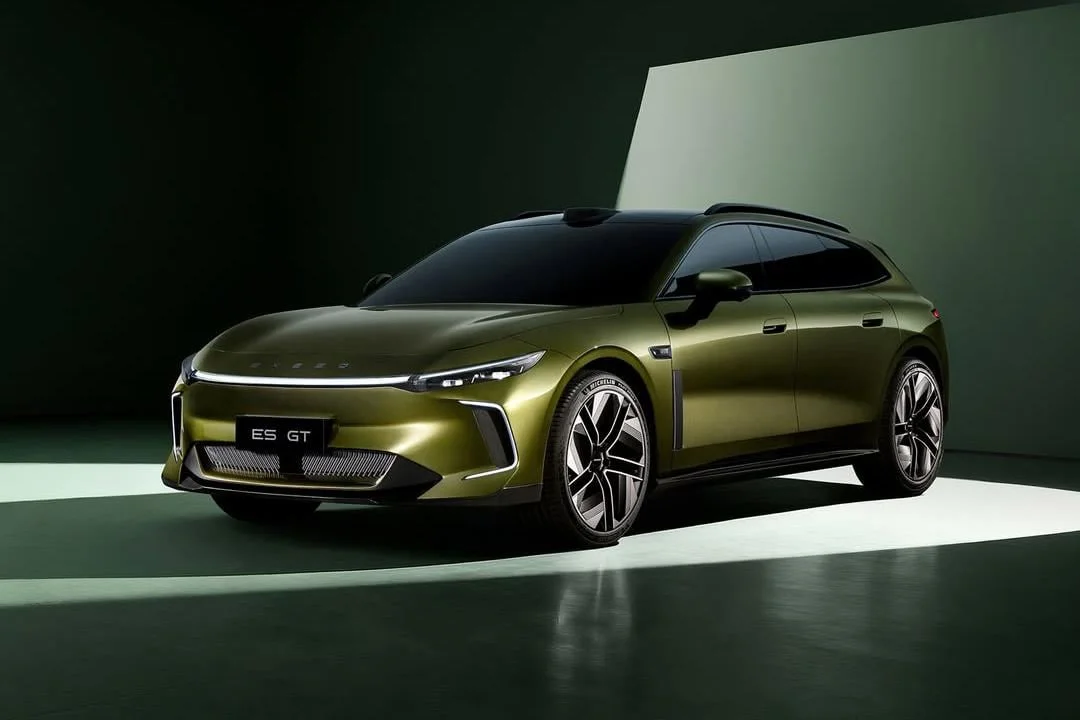
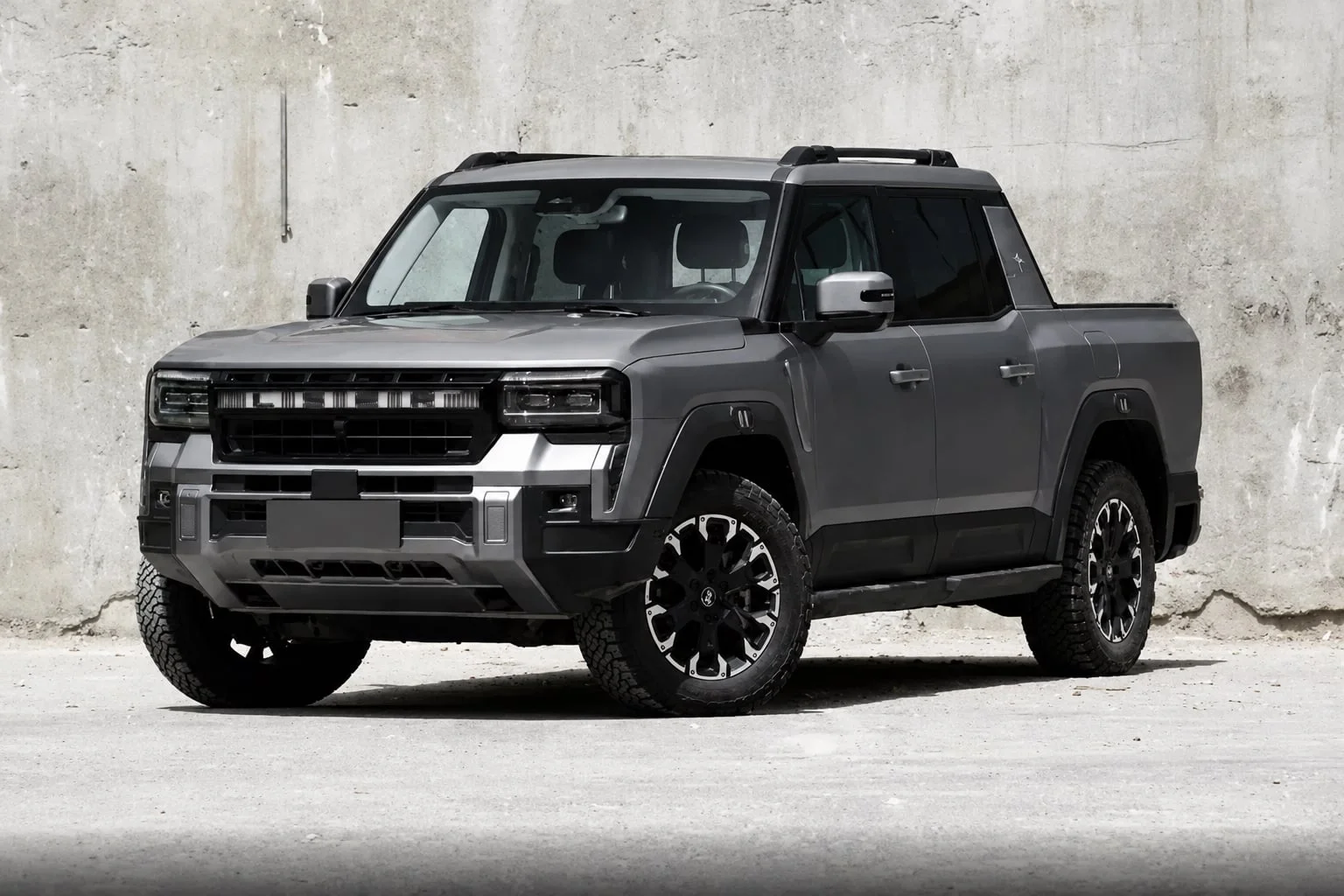
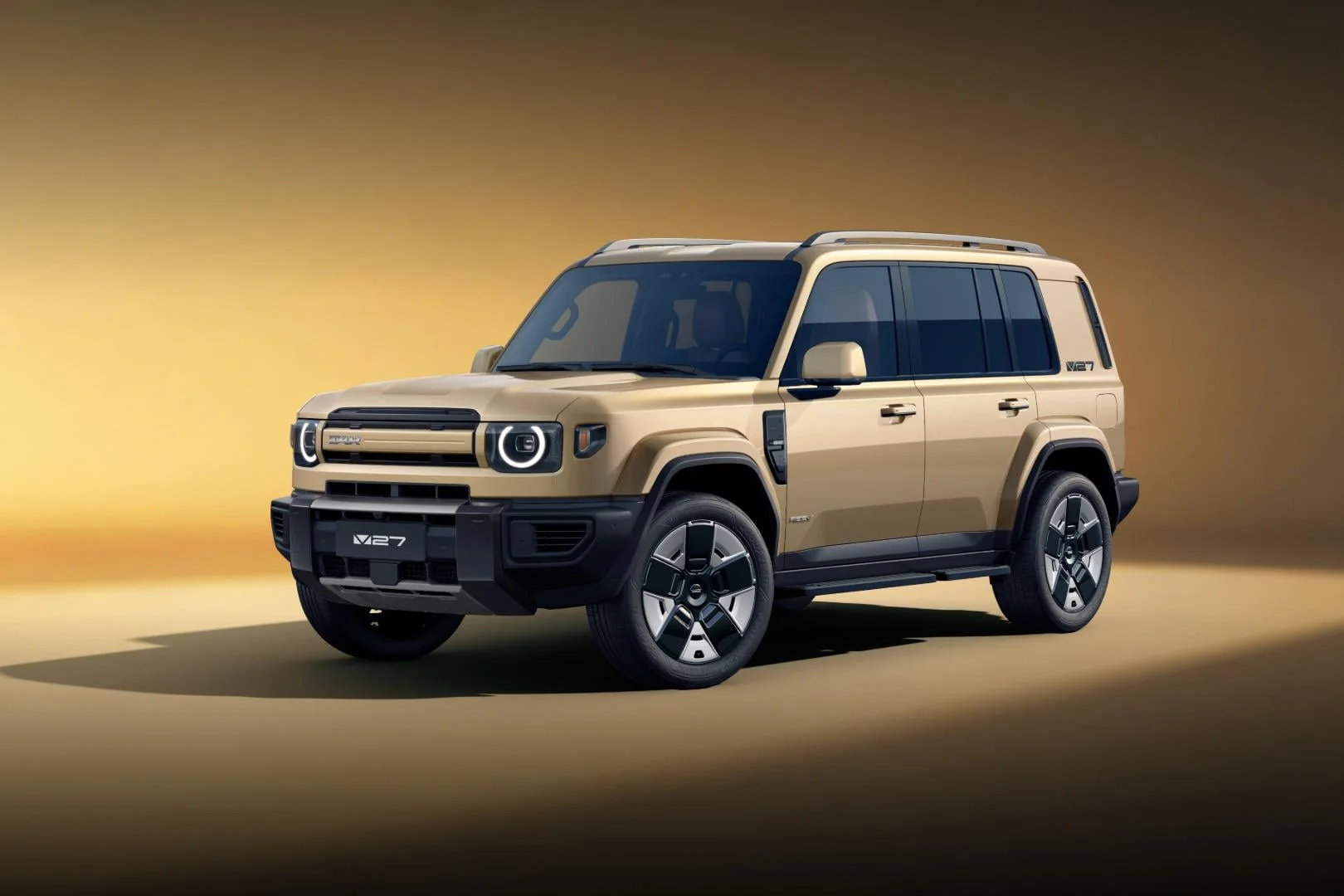
The Chery Group's expansion isn't limited to just Lepas; it also includes upcoming brands like iCaur, Jetour, and Freelander. By the end of next year, Chery plans to operate six distinct brands in Australia. This broadening of the portfolio underscores a significant shift in Chery's approach to market penetration. Notably, Lepas and Omoda Jaecoo are export-focused brands, with models that carry different names back in China. In its home market, Chery also oversees premium brands like Exeed and Luxeed, illustrating a carefully segmented strategy aimed at catering to varying customer preferences worldwide.
Chery's evolving gaze towards brand management reflects its lessons from past experiences. Previously, the company shuttered brands like Rely and Riich in pursuit of a 'One Chery' strategy. Now, in a market that rewards agility and flexible responses to consumer demands, it has embraced a broader brand organization. The speed of change in the automotive market over the past few decades in China has been nothing short of transformative. As Chery Group's global design director, Steve Eum, noted, the company has demonstrated an agility that allows for multiple brands to coexist. This flexibility might be the secret sauce for navigating the complexities of the modern automotive scene.
“Whether we have 10 or 20 brands, it really doesn't matter. They'll juggle,” Eum stated. This nonchalant approach towards managing a growing portfolio reflects a bold confidence in navigating market complexities. Yet, one has to wonder: can this juggling act be sustained without confusing consumers?
Implications for the Automotive Market
The introduction of Lepas has broader implications for the automotive market as a whole. For one, it signals that established automakers are no longer the only players with substantial market share. Chery’s strategy to minimize costs while expanding its brand presence may inspire other companies to adopt similar strategies as global competition intensifies.
If you're working in this space, understanding the rationale behind such moves is essential. The blending of traditional manufacturing efficiencies with innovative branding strategies might become a blueprint for success—or a cautionary tale, depending on Lepas's performance. The success of Lepas could embolden other manufacturers to adopt parallel tactics, possibly leading to an influx of new and niche brands. This could shake up consumer preferences and alter market dynamics significantly.
MORE: Chery’s newest brand says it has no rivals in AustraliaMORE: Explore the Chery showroomMORE: Explore the Lepas showroom
Discussion
Sign in to join the discussion.