Nissan is set to enhance its European lineup with the Kicks e-POWER, manufactured in the UK, marking a significant investment in electrification.
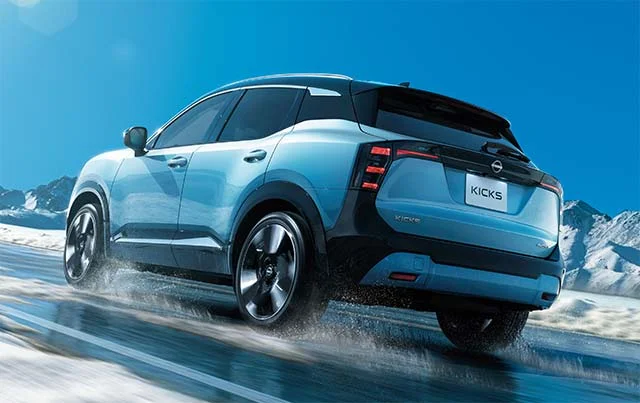
Nissan is set to bolster its European vehicle offerings by introducing the Kicks compact crossover, which will be manufactured at its Sunderland plant in the UK. This strategic move involves an impressive £170 million ($230 million) investment aimed at bringing this electrified model to market. With the Kicks, Nissan is looking to solidify its position in the highly competitive compact SUV segment—a space that’s rapidly evolving as automakers pivot to electrification.
Sunderland Plant: A Testament to Automotive Resilience
As Sunderland celebrates 40 years of automotive production, the inclusion of the Kicks adds to the plant’s already versatile portfolio, which features models like the Qashqai, Juke, and LEAF. This facility has become a cornerstone of Nissan's operations in Europe and symbolizes the UK’s automotive heritage. The need for this investment is underscored by the ongoing transition to electric vehicles, as global emissions regulations tighten and consumer preferences shift. The Sunderland plant has been operating in a challenging environment, with uncertainties surrounding Brexit and fluctuating trade policies. The commitment to add the Kicks shows confidence in the facility’s ability to adapt and thrive.
The Technological Edge of e-POWER
This European variant of the Nissan Kicks will incorporate the company’s e-POWER hybrid technology. Here, the electric motor powers the wheels directly, while a petrol engine serves as a generator to maintain battery charge. Such a configuration effectively bridges the gap between purely gasoline vehicles and fully electric options. This is more significant than it looks; as many automakers experiment with hybrid technologies, e-POWER stands out by removing the traditionally complex mechanical link between the engine and the drive wheels. The electric motor provides instant torque, which can enhance the driving experience, making it respond more like a full EV than a traditional hybrid.
Nissan's e-POWER system sets itself apart from conventional hybrids by eliminating that direct mechanical link, which can often result in loss of efficiency and driving comfort. Instead, it aims to deliver the responsiveness and smooth acceleration characteristic of electric vehicles, coupled with the convenience of a gasoline refuel. If you're working in this space, you’ll recognize this as a key differentiator that could attract buyers looking for a less complicated transition into electrification.
Future Innovations and Global Commitments
New enhancements in the third-generation e-POWER system, slated for introduction in 2025, promise improved fuel efficiency and reduced emissions, as well as a more refined driving experience. Given that over 1.9 million e-POWER vehicles have been sold globally since its inception in 2016, Nissan shows a strong commitment to this powertrain technology. This extensive user base indicates that consumers are starting to embrace e-POWER, but the upcoming changes could intensify competition in the hybrid sector, where companies constantly seek an edge.
Production at the Sunderland plant is projected to serve not just the UK but also broader European markets and Turkey. The Kicks, already familiar in markets such as Japan, Mexico, and Brazil, has achieved cumulative sales surpassing 1.8 million units across more than 70 countries. However, the real test will be its success in Europe, where preferences lean towards larger vehicles that deliver space and practicality.
Diversifying the Electrification Strategy
In tandem with the announcement of the Kicks, Nissan is also unveiling a new A-segment electric vehicle named PIXO, emphasizing a diversified approach to electrification that includes various types of electrified powertrains. This approach suggests a keen awareness that consumer needs are not one-size-fits-all; some may prefer compact electric models, while others might need the versatility of a hybrid. The challenge, however, lies in managing potential overlaps and ensuring each model has a clear market angle.
Implications for Nissan’s Market Position
With the launch of the Kicks, Nissan will now have ten different models produced at the Sunderland plant since its opening in 1986. The facility has a remarkable production record, having built 12 million vehicles to date, maintaining an impressive rate of one vehicle every minute and 45 seconds. Nissan is clearly positioning itself to meet evolving demands in Europe, where the automotive sector is being reshaped by environmental concerns and stringent regulations. That said, the company must remain vigilant against competitors who are also ramping up their electrification strategies.
And here's the part most people overlook: Nissan's ongoing investment in its Sunderland plant could signal a broader commitment to the UK as a hub for electric vehicle production. This might counteract some of the anxieties regarding post-Brexit trade barriers while enabling Nissan to stay competitive in the region. In conclusion, while the market looks promising, Nissan’s navigation through this multi-faceted challenge will ultimately determine the success of the Kicks and its broader electric strategy in Europe.

Discussion
Sign in to join the discussion.