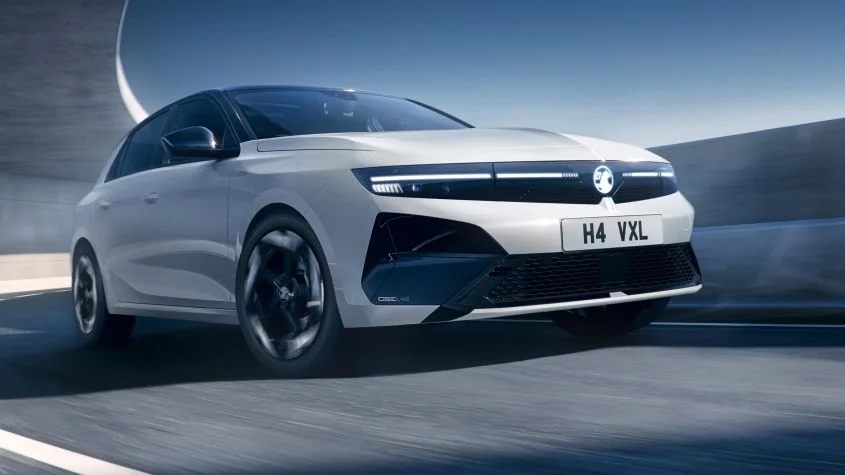
The Fiat 500 joins the booming restomod scene, merging classic design with contemporary tech for a refined driving experience.
The trend of blending classic car aesthetics with modern technology isn't just a fleeting moment; it's blossomed into a significant segment of the automotive market known as restomods—a fusion of "restoration" and "modification." Enthusiasts can now look for revitalized classics that not only showcase timeless style but also feature modern conveniences. For instance, if you're after a vintage Ford Mustang that reliably starts and offers Bluetooth connectivity, options like the Revology '67 fastback with a Coyote 5.0-litre engine or a tailor-made classic from ECD are compelling choices. Meanwhile, fans of Porsche can enjoy beautifully reimagined models like the Singer DLS or the Theon R 964, featuring elevated craftsmanship and performance. Not to forget, the 1,000-hp Gunther Werks model takes power to exhilarating new heights.
Restomods: A Fusion of Timelessness and Technology
The restomod trend represents more than just a novel niche in automotive culture; it's a reaction to a dual longing for nostalgia and reliability. Classic cars often evoke cherished memories, harkening back to a time when design and character were paramount. Yet, these vehicles rarely meet modern expectations for performance, safety, and comfort. This dissatisfaction prompted a wave of custom builders to rethink how these classic designs can adapt to today's standards while retaining their original soul.
History tells us that the blend of retro styles with contemporary technology isn’t new. Various segments of the market have cycled through revivals, from fashion to décor. However, restomods are unique in that they combine artistry with engineering. The challenge lies in staying true to the iconic design while integrating features like touchscreen displays, modern suspension systems, or even eco-friendly drivetrains. That's no easy feat and illustrates the dual nature of the endeavor: it's as much about aesthetic fidelity as it is about functional modernity.
The Appeal of Custom Classic Cars
Why would someone opt for a revamped classic car rather than purchasing a brand-new model? The allure is multifaceted. First, each restomod serves as a personal canvas for car enthusiasts. Unlike factory offerings, custom builds allow for an individual touch that reflects the owner's preferences, whether that's selecting a particular color scheme or a specific engine configuration. It's an intimate relationship between the car and its owner, made possible by bespoke manufacturing processes.
Moreover, restomods tend to spark a sense of community among enthusiasts. Car shows, restoration workshops, and online forums have become platforms where builders share advice, offer tips, and celebrate their shared passions. This kind of interaction provides a sense of belonging that many modern automobile brands struggle to replicate. Car enthusiasts gain camaraderie while they tweak engines and discuss performance upgrades, a social dimension often lost in mass-produced vehicles.
Technological Advancements in Restomods
You might wonder what sort of technology can transform a vintage car into a modern machine. Let's take a closer look. The most noticeable upgrades are the drivetrain and braking systems. Classic vehicles often relied on carbureted engines, which struggled to deliver the kind of power or fuel efficiency found in modern fuel-injected systems. By swapping in contemporary engines, like Ford's Coyote 5.0-litre engine, builders can achieve performance levels that would astonish the original designers.
Suspension upgrades are equally transformative. Many restomods implement advanced suspension systems that can handle modern driving conditions, improving stability, comfort, and overall handling. Similarly, braking systems are often upgraded with disc brakes, making them vastly more efficient than the drum brakes typically found on older models. In this regard, restomods are not merely about aesthetics; they're a complete reinterpretation of what these classic cars can offer on the road.
Industry Context: Growing Demand
The restomod market is witnessing a surge in demand, fueled by a growing nostalgia for classic designs paired with the need for modern functionality. Suppliers and aftermarket companies have jumped into this arena, recognizing the profit potential. Various firms have emerged, specializing in bespoke restomod creations, which cater to a specific clientele willing to invest significantly in their dream rides. This trend indicates a willingness among enthusiasts to pay a premium for cars that encapsulate both nostalgia and modern-day reliability.
Many prevalent automotive brands have observed this trend as well. Some manufacturers are even introducing their own "vintage" lines, inspired by past designs but equipped with the latest technology. However, these factory revivals often lack the soul and individuality that bespoke restomods bring to the table. It's not simply about updating an old design; it’s about personalizing a car that resonates with the owner.
What's Next for Restomods?
As this trend continues to grow, questions arise about its implications. Will we see regulations tighten around emissions and safety for reengineered vehicles? The automotive landscape could shift dramatically based on how governments respond to pollution and safety standards. While restomods presently enjoy a certain freedom in customization, the possibility of stricter regulations could pose challenges for builders.
If you're working in this space, consider that consumers are likely to demand not just performance, but sustainability as well. Electric drivetrains are increasingly gaining traction in the automotive world, and it’s plausible that we’ll see a rise in electric restomods that retain classic aesthetics while addressing eco-concerns. Synthetic materials could play a role too, as restorers explore lightweight alternatives that don't sacrifice the authenticity of the original designs. As tastes shift, so too will the market.
Significance of Restomod Culture
This culture embodies more than just an aesthetic; it’s about preserving history while looking ahead. Enthusiasts aren’t merely paying homage to past designs; they’re engaging in a conversation with automotive history. Restomods serve as living testaments to both craftsmanship and engineering innovation. What this means for you, the reader, is simple: the restomods represent a bridge—a compromise between nostalgia and future-forward thinking. The cars you once loved are reborn, allowing a new generation to embrace the beauty and craftsmanship of yesteryears while enjoying the comforts of today.
For many, pursuing a restomod isn't merely about ownership; it's about storytelling, skill, and passion. As this movement continues to gain traction, expect to see even more unique vehicles emerge on the roads, each with a story and an owner’s unique vision. The blending of vintage and modern is resonating deeply, making the restomod phenomenon not just a trend worth watching, but a significant cultural movement in automotive history.

Discussion
Sign in to join the discussion.