Daimler Buses is set to establish a public electric bus charging hub in Hamburg, enhancing infrastructure for electric intercity travel.
Expansion Plans for Public Charging Infrastructure
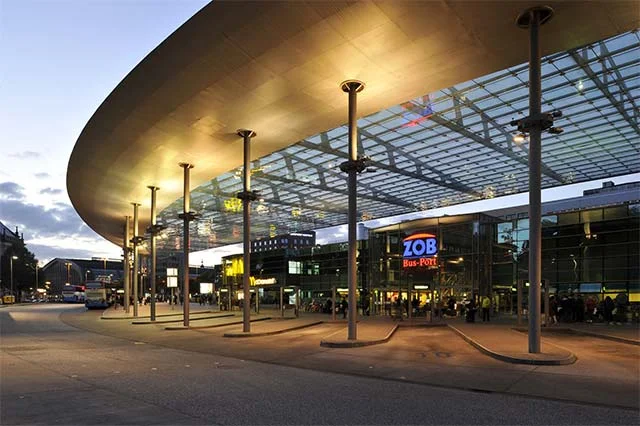
Daimler Buses is moving to bolster its public charging infrastructure for electric buses with plans for a new hub situated at Hamburg Central Bus Station (ZOB Hamburg), one of the main long-distance bus terminals in Germany. A lease agreement has been finalized with ZOB Hamburg GmbH, the operator of the station, backed by approval from the city’s municipal authorities. The project is currently in the planning phase, with a building permit application lodged and operations slated to commence in 2027. This timing raises questions about other cities and their readiness to adopt similar systems, as the demand for electric vehicles continues to rise.
Infrastructure Details and Funding
The initial setup will include four fast-charging stations, designed for potential expansion to eight points in the future. Execution and management will fall under the purview of Daimler Buses Solutions GmbH, a subsidiary tasked with overseeing such infrastructure, allowing transit operators to benefit from charging facilities without the burden of infrastructure investment or management. This aspect is particularly appealing, especially for smaller operators who may find infrastructure costs prohibitive.
The charging stations are expected to support charging power of up to 600 kW, a critical enhancement for electric intercity bus operations, ensuring that buses can recharge effectively while stationed at the terminal. Importantly, these chargers will be accessible to buses from all manufacturers, not merely those produced by Mercedes-Benz. By opening the infrastructure to various manufacturers, Daimler Buses is not just creating a revenue opportunity but also positioning itself as a leader in fostering collaboration within the industry. Furthermore, the facility will rely entirely on renewable energy sources for its power needs, which reflects a growing commitment to sustainability in transportation.
Construction Plans and Maintenance Approach
Construction plans encompass a range of work, including high-voltage power connections and installation of necessary charging equipment. Daimler Buses Solutions aims to finance the infrastructure primarily through electricity sales made to bus operators. Post-construction, maintenance and technical operations will be handled by the company’s service team. These ongoing responsibilities underscore the operational complexity that accompanies ambitious infrastructure projects of this scale.
The Unique Position of Daimler Buses
Notably, Daimler Buses stands out as the only bus manufacturer in Europe currently developing and operating its public charging networks tailored specifically for electric buses. The Hamburg hub is particularly relevant due to its high traffic volume, processing more than 80,000 bus movements annually. This makes it a strategic site for supporting electric bus initiatives, effectively turning a hub of traditional transport into a beacon for future transit models.
The existing schedule of bus movements at the terminal allows for convenient recharging opportunities during buses' dwell times, significantly integrating electric vehicles into current operational frameworks without major disruptions. Passengers will also benefit from on-site amenities such as restrooms and food services, enhancing the experience at the terminal. Anyone using the station will appreciate the convenience, which positions the hub as a user-friendly option in the broader public transport system.
Targeting Diverse Applications with Electric Models
Daimler Buses is particularly keen on augmenting public charging facilities to support its first battery-electric intercity bus model, the Mercedes-Benz eIntouro, which has begun accepting orders, with customer deliveries commencing shortly. This model is particularly interesting for its versatility, designed for applications that bridge urban and rural areas. Such an adaptability could help address varied transport needs, making it an appealing option for early adopters of electric bus technology, especially those venturing beyond conventional city routes.
Addressing the Need for Comprehensive Charging Networks
However, for more extended routes, particularly those linking larger cities and tourist destinations, a comprehensive network of high-power chargers will be essential. Daimler Buses believes that strategically placed public chargers are key to alleviating barriers to electric bus adoption. This perspective is important: operators need to include these electric vehicles into existing transit schedules while maintaining efficiency. The potential for service disruption exists, which makes the establishment of a reliable network even more crucial.
Growth and Future Outlook
With Hamburg joining Cologne and Munich as another location for Daimler Buses’ public charging infrastructure, the company sees significant growth potential in this sector and plans to continue its investments. The focus is on identifying further locations with high foot traffic to reinforce electric bus operations and enhance travel options across Germany. This proactive strategy might inspire other manufacturers to follow suit, creating a ripple effect in the industry.
Significance of Charging Solutions in Electric Transportation
As electric intercity and coach services evolve, access to reliable charging solutions is becoming increasingly paramount. Daimler Buses’ Hamburg project is an important step towards enhancing the necessary infrastructure for this transition in electric transportation. This isn't just about charging buses; it's an invitation for other players in the transport ecosystem to recognize the urgency of infrastructure investment for electric vehicles. If you're working in this space, that combined effort will be the backbone to any future success. Our transportation needs are shifting rapidly, and effectively meeting them requires an adaptable and well-coordinated infrastructure. That’s the real takeaway here.
Discussion
Sign in to join the discussion.