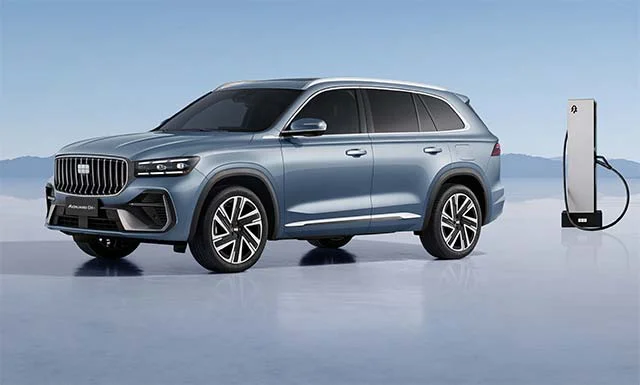
The UK-bound JAECOO 7 Luxury+ pairs a larger 26.6 kWh battery with up to 79 miles of electric range, AWD and prices from £37,000.


A longer electric run, with a choice of traction
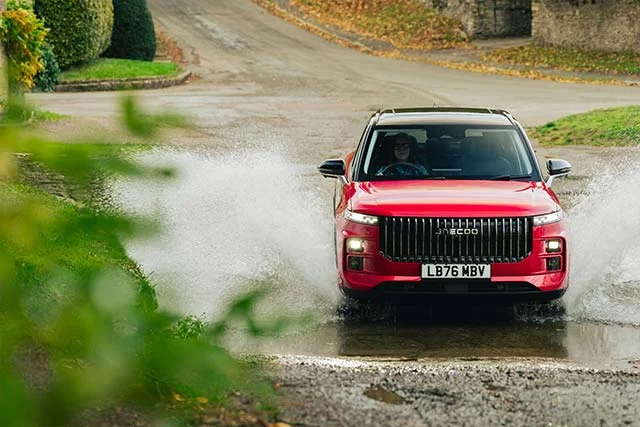
The JAECOO 7 Luxury+ gives UK buyers a sharper choice between electric range and all-weather performance. Its plug-in hybrid system now offers AWD for the first time, while a larger battery lifts claimed electric range to as much as 79 miles in front-wheel-drive form. Prices start at £37,000, with the AWD version adding £1,500.
That combination puts the Luxury+ at the point where a plug-in hybrid has to make two cases at once: useful electric driving for routine trips, and a petrol engine for journeys that exceed the battery’s reach. The headline range figures are claims rather than a promise of what every driver will see. Speed, temperature, terrain and how often the vehicle is charged can all affect electric use in this kind of vehicle.
Here’s the thing: adding AWD makes the range choice more tangible. The FWD model is the one to consider if electric distance is the priority; AWD gives up some of that stated distance in exchange for more power and traction. Neither version removes the basic plug-in hybrid trade-off, since drivers need access to charging to make regular use of the electric range.
Two powertrains, one larger battery
Both Luxury+ variants use a 26.6 kWh battery, around 45% larger than the 18.4 kWh pack in the existing JAECOO 7 plug-in hybrid. That change adds up to 23 miles of electric range: the FWD model is rated for up to 79 miles, while AWD reaches up to 70 miles. JAECOO quotes a combined petrol and electric range of up to 769 miles.
The increase in battery capacity gives the new variants a more substantial electric range on paper, while the nine-mile gap between FWD and AWD makes the trade-off easy to see. The combined range figure describes the claimed distance using both power sources, so it shouldn’t be read as an indication that the SUV can cover that distance on electricity alone. For drivers, the practical question is how much of their regular travel fits within the electric range and whether charging is convenient at home or at work.
The FWD version produces 204 PS and 365 Nm of torque, reaching 62 mph in 7.9 seconds. Buyers who want extra traction get a combined 354 PS and 490 Nm in the AWD Luxury+, which cuts the 0–62 mph time to 5.9 seconds. That makes it the most powerful JAECOO 7 to date.
Those figures give AWD a clear performance advantage, though acceleration is only one part of the decision. The additional output may matter when joining faster roads or carrying a full load, while the FWD model’s longer claimed electric range may be more useful for drivers whose priorities are everyday commuting and fewer petrol-engine miles. This is more significant than it looks: the range difference is modest, but the power gap is much larger.
The AWD model retains the SUV’s stated off-road dimensions: 183 mm of ground clearance, a 20.5-degree approach angle and a 28.5-degree departure angle. Those figures, together with the added traction, point to a broader use case on rural roads and in poor weather, though the model remains a plug-in hybrid SUV rather than a dedicated off-roader.
Ground clearance and approach and departure angles describe some limits around obstacles and uneven surfaces, but they don’t establish how the vehicle will perform across every off-road condition. AWD can help when grip is uneven, yet tyres, surface conditions and driver choices also shape what a vehicle can manage. If you’re working in this space, the useful distinction is between extra capability for rough or slippery roads and equipment intended for sustained off-road use.
Charging and hybrid operation
DC charging peaks at 65 kW. JAECOO says the battery can move from 30% to 80% in about 15 minutes, giving drivers a quicker top-up when a suitable charger is available.
That charging claim gives a sense of how the car might fit a stop during a longer journey, but it depends on finding a compatible charger and on charging conditions. The stated window covers only part of the battery’s capacity; it doesn’t mean a full charge takes about 15 minutes. For drivers with routine access to slower charging, the more relevant question may be whether the battery can be replenished between trips.
The SHS-P system, developed by Chery International, combines a 1.5-litre turbocharged petrol engine, electric motors and a dedicated hybrid transmission. It can run in pure electric, series hybrid or parallel hybrid modes, with the system selecting how to use the power sources according to driving conditions. The petrol engine has a claimed thermal efficiency of 44.5%.
These operating modes give the powertrain more than one way to draw on its engine and motors. In broad terms, a series hybrid uses the engine as part of the system that supplies electricity to the motors, while a parallel arrangement can use engine power more directly to drive the wheels. The manufacturer’s description says the system chooses between modes; it doesn’t explain how often each mode is used in real driving or how that affects fuel consumption.
The claimed thermal efficiency figure describes the engine’s ability to convert fuel energy into useful work under specified conditions. It doesn’t, by itself, tell buyers what fuel economy they’ll achieve across a typical week. And this is the part most people overlook: a plug-in hybrid’s results depend heavily on charging habits, because regular charging lets the car make fuller use of its electric mode.
For company car users, the stated minimum electric range of 70 miles may place both versions in a lower Benefit-in-Kind band than the current JAECOO 7 plug-in hybrid, subject to the applicable tax rules. That qualification matters: the article’s range figures don’t determine a driver’s tax treatment on their own, and the applicable rules must be checked against the vehicle and its official rating.
Flagship equipment and UK availability
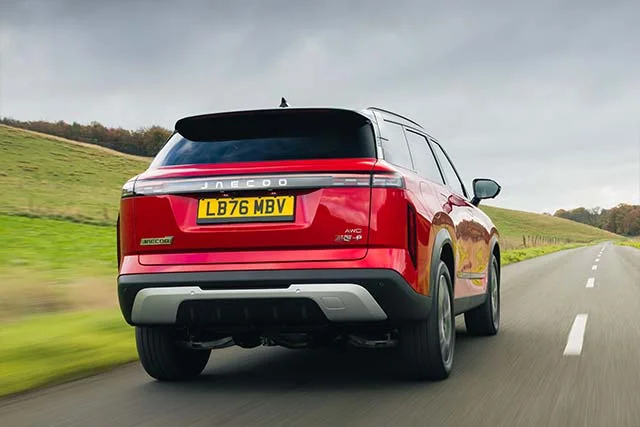
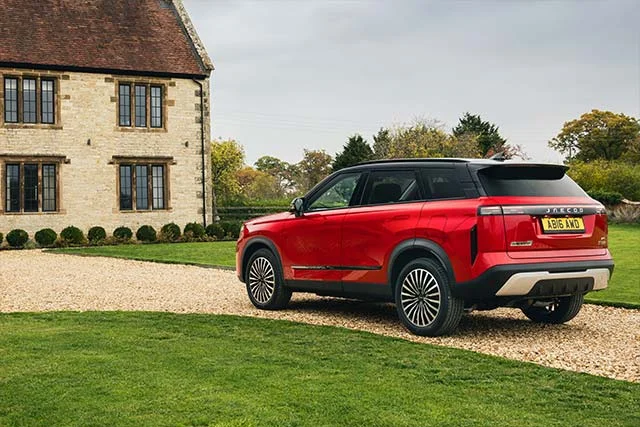
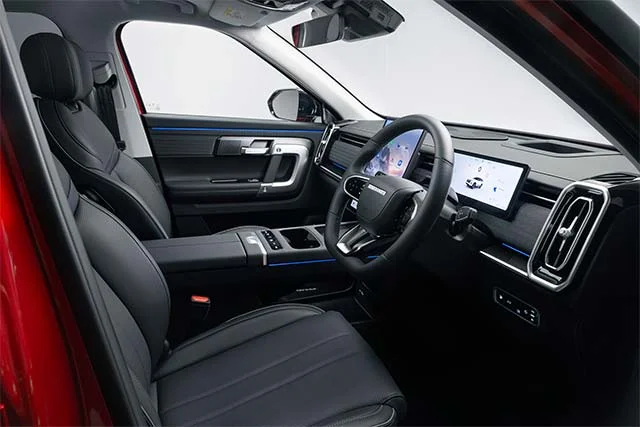
Luxury+ brings 19-inch alloy wheels and two new exterior colours, Cuprite Red and Meteorite Grey. Cabin changes include heated rear seats, redesigned door handles and separate buttons for wing mirror adjustment. JAECOO has also revised its driver assistance systems to reduce unnecessary alerts and interventions, and added a one-touch setting for a driver’s preferred ADAS configuration.
The cabin changes focus on comfort and everyday controls, while the ADAS updates address a common source of frustration: assistance systems can feel intrusive when alerts or interventions don’t match what a driver expects. The one-touch setting could make preferred configurations easier to call up, but the announcement doesn’t detail which systems can be changed or how those preferences are saved. Buyers should assess the controls in person, since the quality of a driver assistance feature depends partly on how clearly it communicates.
Orders are open in the UK. The FWD model starts at £37,000 on the road and AWD at £38,500. First deliveries are expected in January 2027, with the wider delivery window running through the first quarter.
Both versions come with a seven-year or 100,000-mile vehicle warranty and an eight-year or 100,000-mile battery warranty. JAECOO also includes up to seven years of roadside assistance, with sales and aftersales support through more than 140 UK retailers. Warranty duration and mileage limits provide useful reference points, though buyers should check the terms for exclusions and service requirements.
What the choice means for buyers
The decision is clear at the headline level: FWD maximises claimed electric range, while AWD trades nine miles for stronger performance and added traction. The starting prices make that trade-off explicit, with a £1,500 premium for AWD. Whether that premium is worthwhile depends on the roads a buyer uses and how often the extra traction is likely to matter.
What this means for you is that the best fit turns on routine use, not the largest specification number. A driver with predictable trips and regular charging may value the FWD version’s longer electric range; someone who often encounters poor weather or uneven roads may prefer AWD’s added traction and quicker acceleration. The claims provide a useful starting point, but real-world range and charging access will decide how much of the plug-in system’s promise shows up in daily use.
A more capable plug-in hybrid, with familiar compromises.

Discussion
Sign in to join the discussion.