Polestar’s P4.3.0 update adds vehicle-to-load power, Camping mode, Android digital keys and new parking assistance to the Polestar 4.
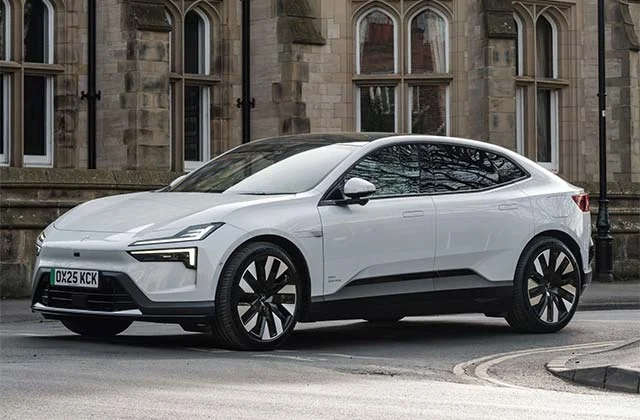
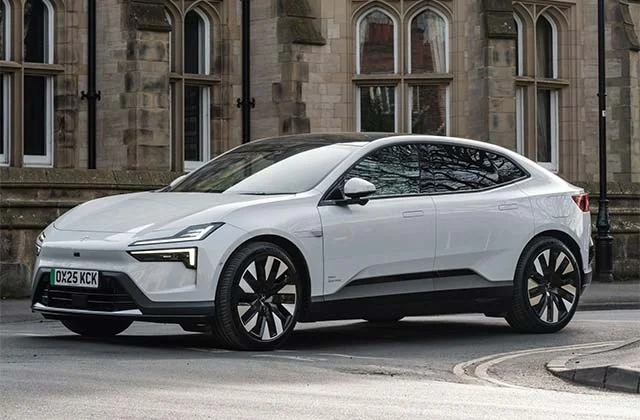
Polestar’s P4.3.0 update gives the Polestar 4 a broader role beyond transportation. Its high-voltage battery can power external equipment, while new cabin controls are intended to make overnight stays more practical. The package also upgrades infotainment software and adds parking and access features, extending the vehicle’s capabilities through an over-the-air release.
That combination matters because software updates can change how owners use a car long after delivery. P4.3.0 reaches into several parts of the ownership experience: energy access, cabin comfort, phone-based entry and routine driving tasks. The features won’t be equally relevant to every owner, and availability depends on market and vehicle configuration, but the update shows how a car’s usefulness can increasingly depend on software as well as hardware.
Power and comfort for time away from home
Vehicle-to-Load (V2L) lets owners draw up to 3.3 kW from the high-voltage battery through a compatible adapter connected to the charging port. That output can run equipment such as camping gear, power tools, laptops and other electronics. Polestar plans to offer V2L in most markets, with regional availability varying.
The appeal is straightforward: the car becomes a source of electricity when an ordinary outlet isn’t close by. Similar systems typically make a vehicle more useful at campsites, outdoor work areas or during other trips where portable power helps. But 3.3 kW is a limit, not a promise that every appliance will work; owners will need to check what their equipment draws and whether the required adapter is available where they live.
Camping mode is designed for longer stays inside the vehicle. It maintains the cabin temperature and infotainment functions while keeping key power outlets active, so occupants can stay comfortable, use in-car entertainment and charge devices. Paired with V2L, the mode makes the Polestar 4 more useful on road trips and outdoor excursions.
Here’s the thing: comfort during a stop depends on more than keeping the cabin warm or cool. Owners also need to consider how long they’ll remain parked and how much energy the car’s systems and connected equipment consume. The update describes the functions, but doesn’t provide details here about operating duration or energy use, so those practical limits will matter in real trips.
A car that can support a night away from home. That’s a broader brief than getting from one charging stop to the next.
More ways to access and park
Compatible Android phones from Google and Samsung can now serve as digital keys, extending a feature introduced for Apple iOS users in 2025. Owners can use a supported phone to lock and unlock the vehicle and start it without a conventional key. The Android rollout will proceed market by market.
Phone-based access can reduce the need to carry a separate key, and it may make sharing access more convenient when another driver needs the car. The qualification is in the word “compatible”: support depends on the phone and the market rollout, so owners will need to confirm that their device is included. Digital access also makes phone battery life and setup part of the everyday ownership experience.
Park Assist Pilot is also coming to eligible model year 2026 and 2027 vehicles fitted with the Pilot pack. Once the driver confirms a selected perpendicular space, the system can steer and brake the car into it. Valet mode adds restricted access, configurable speed limits and glovebox locking for handovers to other drivers.
These features address two distinct moments: parking in a tight space and leaving the car with someone else. Park Assist Pilot still depends on the driver selecting a space and confirming the manoeuvre, so it’s a parking aid rather than a substitute for attention. Valet mode offers a defined set of controls over access, though the source doesn’t specify how drivers configure or activate them.
Android Automotive OS 15 and system refinements
P4.3.0 upgrades the Polestar 4 to Android Automotive OS 15. The update also brings expanded home-screen shortcuts, adjusted climate controls and quicker access between the Dashcam and Gallery apps. Polestar says it has improved system responsiveness and vehicle start-up, along with remote controls and digital key performance.
These changes target the small delays and extra taps that shape daily use. Faster start-up and clearer access to common functions can make an infotainment system feel less like a separate device that happens to be in the car. Still, Polestar’s description doesn’t quantify the responsiveness gains, so owners will have to judge whether they notice a meaningful difference.
Google Maps will provide more accurate energy consumption estimates, while active safety and driver assistance systems receive further refinements. Taken together, the release adds practical functions for travel, parking and daily use; regional availability and vehicle eligibility will determine which features each owner receives.
More accurate energy estimates could help drivers plan journeys with a clearer picture of expected consumption, though estimates remain estimates. If you’re working in this space, the wider point is that software updates are becoming a way to extend a vehicle’s day-to-day role after purchase. This is more significant than it looks, but only if the features arrive reliably and fit how owners actually use the car.
What the update changes for owners
P4.3.0 is a broad package rather than a single headline feature. V2L and camping mode widen the car’s use away from the road, while digital keys, parking assistance and software refinements focus on access and routine convenience. And yet, the list of features alone doesn’t tell owners what they’ll receive: market rollout, model year and equipment determine eligibility.
That makes the update’s practical value personal. A driver who regularly camps or works outdoors may care most about onboard power; another may value phone access or easier parking. Polestar is adding functions that could make the Polestar 4 more capable between journeys, but the real test is whether owners find them dependable and useful in daily life.
Discussion
Sign in to join the discussion.