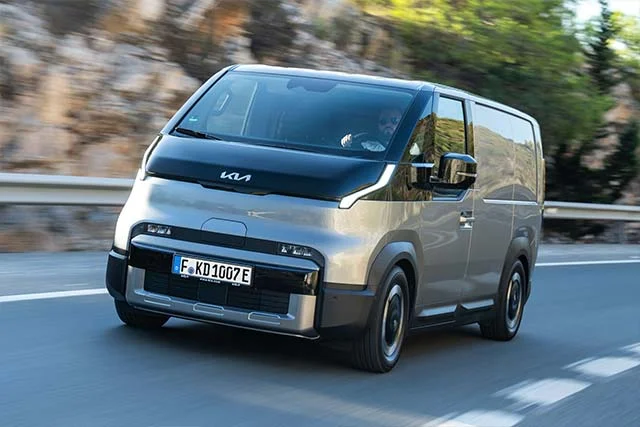
Electric van registrations in the UK surged to a record 4,832 units in September, underscoring strong growth in the LCV sector despite ongoing challenges.
Record Growth in the UK LCV Market
The UK light commercial vehicle (LCV) market is experiencing significant momentum, with registrations increasing by 4.8% year-on-year in September. A total of 49,704 new vans, pickups, and 4x4s were registered, according to the Society of Motor Manufacturers and Traders (SMMT). This marks the sixth consecutive month of growth and has resulted in the highest volume seen in 2026 thus far.
Typically, September benefits from a surge in registrations due to new vehicle plates, outpacing even March, which is conventionally the peak month for the industry. In particular, large vans drove the expansion with an 11.1% rise in registrations, totaling 36,302 units. Medium vans saw a modest increase of 2.2%, while small vans enjoyed a robust growth rate of 13.2%, totaling 1,361 units.
A standout in this period was the 4x4 segment, which saw a phenomenal increase of 221.3%, with 2,079 units registered, largely due to substantial fleet orders. Conversely, pickups faced difficulties, experiencing a dramatic 53.8% drop in demand to just 2,658 units, reflecting the detrimental effects of last year's tax reclassification of double-cab pickups.
Surge in Electric Van Registrations
September was particularly noteworthy for the market of electric commercial vehicles, where battery electric van (BEV) registrations rose by 13.4% to hit a new record of 4,832 units, capturing a 9.6% share of the total LCV market.
Currently, there are over 40 models of battery electric vans available in the UK, providing fleet operators with diverse options for various applications. Fiscal incentives like the Plug-in Van Grant are also beneficial in easing the transition costs associated with electric vehicle adoption.
Despite these gains, electric vans still lag behind the UK government’s Zero Emission Vehicle (ZEV) Mandate target. BEVs accounted for just 10.8% of LCV registrations during the first nine months of 2026, significantly below the stipulated target of 24%. This gap highlights the hurdles that businesses continue to face in electrifying their fleets.
Barriers to Electric Van Adoption
Key challenges remain, particularly related to the upfront costs associated with electric vans, the inadequacy of charging infrastructure, and expenses related to depot upgrades. For many fleet operators, transitioning to an all-electric fleet necessitates substantial investment across vehicle purchase and infrastructure development.
The SMMT emphasizes that continued government support is essential for accelerating the uptake of electric vans. The Plug-in Van Grant and initiatives like the Depot Charging Scheme aim to alleviate initial cost barriers and aid in infrastructure development. The proposed GB Grid rollout could fast-track the establishment of public and depot charging facilities, which are crucial for fleet dependability.
For operators, having access to dependable charging options is vital, especially since many vans operate on predetermined routes. This underscores the need for the government to consider the practical aspects of transitioning towards zero-emission vehicles during their ZEV Mandate evaluations.
Future Prospects and Market Potential
The record number of electric van registrations in September signifies a growing demand that could be sustained with competitive pricing and expanded model offerings. However, with BEVs holding merely 9.6% of the market during September, there's still a substantial distance to cover before aligning with the 24% target dictated by the ZEV Mandate.
SMMT Chief Executive Mike Hawes commented on the latest figures, acknowledging that while manufacturers are introducing new electric models and offering discounts, challenges such as high purchase prices and slow infrastructure rollouts are still hindering market growth.
The forthcoming months are critical for the electric commercial vehicle sector in the UK. The influx of new electric vans combined with gradual improvements in charging infrastructure presents an opportunity for accelerated adoption. Successfully bridging the gap to meet ZEV Mandate targets will significantly depend on vehicle pricing, infrastructure investments, and sustained governmental commitment.
In summary, while the September figures are encouraging, they reflect an ongoing journey in electric van sales, one that's still far from completion.
Discussion
Sign in to join the discussion.