Volkswagen, PowerCo, and Gotion are launching three joint ventures for LFP battery production in Europe and Morocco, addressing supply chain needs and reducing costs.
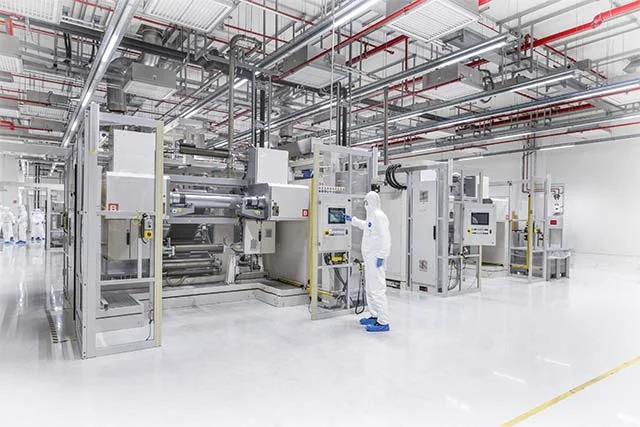
Volkswagen Group, together with its battery subsidiary PowerCo SE and China's Gotion High-tech, is escalating its partnership with plans for three joint ventures focused on lithium iron phosphate (LFP) battery production across Europe and North Africa. This initiative aims not only to enhance regional battery supply capabilities but also to meet the surging demand for cost-effective electric vehicles.
The joint ventures will establish manufacturing sites in Valencia, Spain, and Šurany, Slovakia, in addition to an LFP cathode material facility in Kenitra, Morocco. The overarching goal is to solidify Europe’s battery supply chain and lessen reliance on external sources, thus supporting the evolving electric vehicle market.
Strategically Important Shifts
LFP batteries, known for their cost-effectiveness, longevity, and solid performance metrics, are increasingly critical within the electric vehicle sector. These batteries present a more affordable option for mass-market EVs compared to traditional lithium-ion chemistries. According to industry forecasts, market share for LFP batteries in Europe is projected to soar from about 10% today to between 40% and 60% by 2030.
The current landscape reveals a pronounced shortage of dedicated LFP battery production facilities in Europe. By expanding local manufacturing, automakers can safeguard their battery supply chains, cut costs, and minimize exposure to potential disruptions.
The partnership among Volkswagen, PowerCo, and Gotion aims to bridge this gap, establishing an integrated regional supply chain that encompasses both cathode materials and battery cell production. Thomas Schmall, a key figure at Volkswagen, emphasized the partnership's potential to reinforce Europe's battery manufacturing landscape, while PowerCo CEO Frank Blome added that this move signifies a crucial step towards supply chain resilience and expedited industrialization.
Site Specifics for the Joint Ventures
The three joint ventures delineate clear production roles: Valencia, Šurany, and Kenitra each focus on distinct aspects of the LFP battery supply chain.
Valencia, Spain: Hub for LFP Battery Cells
The Valencia facility is set to evolve into a focal point for battery cell production under the new joint venture, transitioning from PowerCo's existing infrastructure. Here, PowerCo will maintain a 51% stake while Gotion will control 49%, with both companies managing operations collaboratively. This facility aims to form a production hub for Volkswagen's Unified Cells, employing LFP technology to create batteries that enhance the affordability of electric vehicles, particularly in high-volume segments. Previous commitments for investment and job creation in the region remain intact.
Šurany, Slovakia: Dual Focus on Vehicles and Energy Storage
In Šurany, the second joint venture will center on LFP battery cell production at a new Gotion factory. Under the proposed ownership model, Gotion will hold a majority stake of 51%, while PowerCo retains 49%. This facility's versatility allows it to cater to both electric vehicle batteries and energy storage systems, aligning with the increasing demand in both sectors. By investing in this Slovakian project, PowerCo can further expand its manufacturing footprint in Europe, complementing its activities in Spain.
Kenitra, Morocco: Production of Cathode Materials
The third joint venture will focus on establishing a production facility for LFP cathode materials in Kenitra, Morocco. Gotion will control 51% of this joint venture, while PowerCo will own 49%. By producing cathode materials essential for LFP batteries in Morocco, the partners will diversify their supply sources, ensuring a stable foundation for their production capabilities. This added capacity not only bolsters supply security but also strengthens the overarching regional value chain supporting European battery manufacturing.
Financial Commitments and Potential Stake Changes
The expanded partnership signifies significant financial investments from both parties, underscoring the ambitious scale of their industrial collaboration. PowerCo anticipates investing around €470 million by 2030 to secure its stakes in both Šurany and Kenitra. In contrast, Gotion plans to inject approximately €1.1 billion into the Valencia joint venture, where PowerCo maintains majority ownership.
These investments are structured to share financial burdens and responsibilities across the three facilities in line with the partners' long-term production goals. However, these agreements still await the necessary regulatory approvals, including shareholder consent from Gotion.
Additionally, Volkswagen Group is planning to offload a 5.3% equity stake in Gotion to optimize its shareholder framework while assuring the ongoing strategic relationship remains intact. This divestiture shouldn't affect Volkswagen's voting rights or board representation at Gotion, ensuring it remains a significant player in the venture's long-term direction.
Impact on the European EV Market
This expansive collaboration emerges during a critical juncture for automakers, who are increasingly challenged to lower electric vehicle costs while securing essential battery components. LFP batteries, with their lower production costs compared to nickel-rich alternatives, offer an attractive solution for offering competitively priced electric vehicles.
The partnership effectively opens avenues for Volkswagen to expand its LFP production capacity through PowerCo while aligning itself with a proven battery technology partner in Gotion. Conversely, Gotion finds opportunities for enhanced presence in Europe, strengthening its global footprint.
The anticipated facilities align with Europe's efforts to diminish reliance on imported battery cells and cathode materials, though true self-sufficiency in LFP batteries won't be realized immediately. Establishing domestic manufacturing and diversifying material supplies are key steps towards a more stable and resilient battery production ecosystem.
With LFP battery demand projected to rise significantly by 2030, the collaboration between Volkswagen, PowerCo, and Gotion may play a pivotal role in developing a competitive battery supply chain that contributes to making electric mobility more accessible and affordable.
Discussion
Sign in to join the discussion.