U.S. electric vehicle sales rebounded in Q3 2026, led by significant gains from Toyota and Rivian, though overall numbers remain below last year.
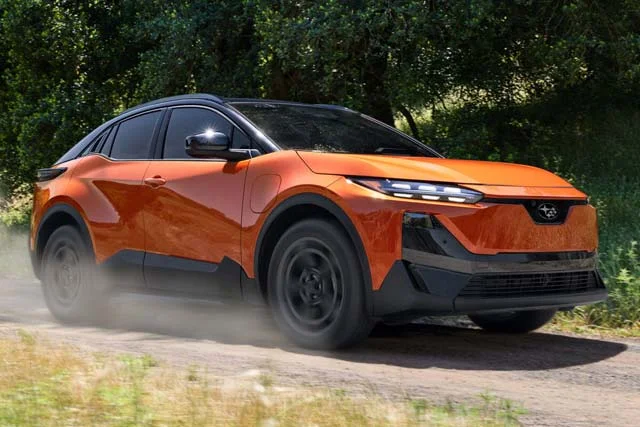
The U.S. electric vehicle market is experiencing a notable rebound in the third quarter of 2026, with sales reaching 266,630 units. This figure reflects a 7.7% increase from the previous quarter, as reported by Kelley Blue Book's estimates from Cox Automotive. However, compared to the same period last year, EV sales are down by 38.6%, marking a significant decline from the record high seen in Q3 2025 due to consumers rushing to take advantage of fading federal incentives.
Market Share Insights
Notably, electric vehicles constituted about 6.5% of new vehicle sales in the U.S. during Q3 2026, climbing from 5.8% in the last quarter. This is the highest market share recorded since Q3 2025, when EV sales temporarily breached the 10% threshold. If you factor in conventional hybrids and plug-in vehicles, nearly 25% of all new vehicles sold during this period featured some level of electrification, emphasizing an ongoing consumer shift toward electrified options.
Stephanie Valdez Streaty, the director of Industry Insights at Cox Automotive, observed that the market is beginning to stabilize. Factors contributing to this renewed optimism include a range of competitive pricing and the launch of new models throughout the year. Rising gasoline prices—over $4 per gallon—also play a significant role in making electric vehicles more appealing to cost-conscious consumers.
Noteworthy Performers
Despite an overall decline in sales for many manufacturers, several brands, including Toyota, Lexus, and Rivian, reported impressive year-over-year gains. Toyota posted a staggering 328% increase in EV sales, delivering 12,904 vehicles during Q3. Lexus followed suit with an eye-popping 442.2% increase, selling 8,464 electric vehicles.
On the other hand, Rivian also made strides, selling 19,239 vehicles, which is a 45.7% jump compared to Q3 2025. This growth was significantly aided by its extended model range, including the Rivian R2, which sold 3,456 units during the quarter, as well as its expanding commercial vehicle segment. Subaru didn't lag either, boosting its sales by 31.5% to 4,566 EVs, thanks to new electrified options entering the market.
Conversely, well-established manufacturers like Ford and Chevrolet faced serious challenges, with Ford's EV sales plummeting by 80.2% and Chevrolet facing a 74.6% drop. Hyundai also struggled with a 57.7% decline, while Volkswagen encountered an alarming 90.5% decrease in EV sales.
Tesla: The Market Leader
Even with its sales decreasing, Tesla remains the undisputed leader in the U.S. electric vehicle landscape. The company sold 144,094 vehicles in Q3 2026, representing a 19.7% drop from the same quarter in 2025. Tesla still commands roughly 54% share of the total EV market, significantly ahead of its competitors.
The Tesla Model Y continues to be the top-selling model, accounting for 68.7% of the company’s quarterly volume with 99,037 units sold. The Model 3 follows with 40,346 deliveries, which comprises another 28% of total sales. Altogether, these two models together represented more than 139,000 sales, showcasing how dependent the market remains on key Tesla offerings.
Individual Model Successes
The report also highlights impressive performance from specific models. Toyota's bZ saw a 145.1% increase with 7,391 sales, alongside additional contributions from the electric C-HR and bZ Woodland. Rivian's commercial electric delivery vans also had a robust showing, with the EDV500 and EDV700 together recording 8,469 sales, reflecting a remarkable 220.9% year-over-year growth. However, Rivian's R1S and R1T models experienced substantial declines in sales, showcasing that not all entries in a brand's lineup perform equally.
Subaru also made gains with newer electric models such as the Trailseeker and Uncharted, further highlighting how diverse offerings can bolster brand performance. In contrast, established competitors like the Hyundai Ioniq 5 performed well with 10,382 sales, while the Kia EV9 and Cadillac Optiq followed closely, indicating that established non-Tesla EVs still hold appeal.
Year-to-Date Trends and Future Outlook
Despite a positive trajectory in Q3, the overall sales figures for EVs in the U.S. throughout the first nine months of 2026 paint a stark picture, with a total of 729,869 units sold, down 29.9% from 1,041,647 in 2025. Tesla remains the dominant player with 386,194 units sold, but other brands, including Rivian and Toyota, report substantial growth relative to their earlier sales figures.
Yet, it’s clear that broader declines among substantial retailers like Ford and Chevrolet are dragging down the market. The comparison to the previous year's exceptional quarters reminds us of the context: the EV market's growth is subject to fluctuations influenced by federal policy and market dynamics.
Looking ahead, the findings from Q3 2026 suggest a potential for ongoing stabilization in the U.S. EV market. Factors including competitive pricing, better models with lower ownership costs, and appealing incentives may continue to shape future momentum. However, sustained growth will hinge on automakers delivering compelling vehicles that meet evolving consumer needs. The current market demonstrates that while hurdles remain, certain manufacturers are positioned well to capitalize on emerging trends as the electric vehicle landscape shifts.

Discussion
Sign in to join the discussion.