A software fault can briefly reduce braking in some GM all-wheel-drive EVs. The free fix is available over the air or through dealers.
Which vehicles are affected
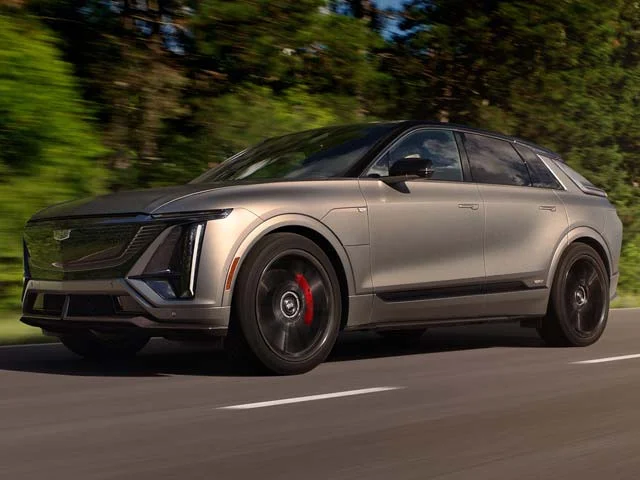
GM’s latest EV recall affects 67,380 Cadillac and Chevrolet vehicles equipped with performance all-wheel drive. A fault in brake control software can briefly keep some vehicles from slowing as expected, especially when drivers brake lightly through a sharp turn over uneven pavement. The specific combination of conditions matters: the problem described in the recall concerns a temporary response issue, rather than a claim that braking fails in every stop or driving situation.
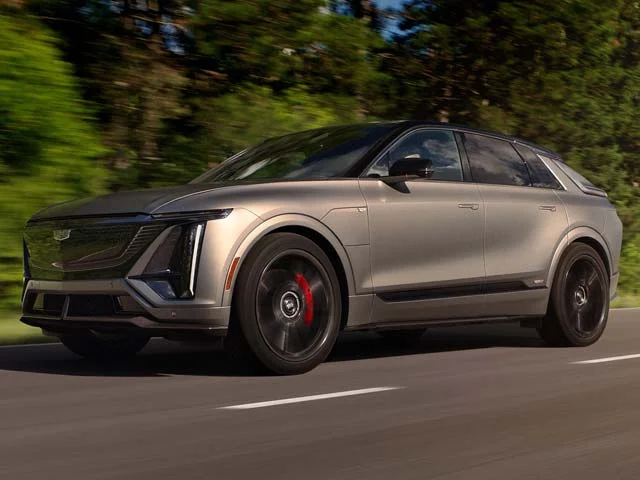
The affected models are certain 2023–2027 Cadillac Lyriq, 2025–2026 Cadillac Celestiq, 2026–2027 Cadillac Vistiq, and 2024–2027 Chevrolet Blazer EV vehicles. Model year alone doesn’t determine eligibility; the recall covers specific performance all-wheel-drive versions. That distinction is practical for owners because two vehicles with the same nameplate and model year may not have the same configuration. If you own one of these models, checking the vehicle identification number is the reliable way to determine whether it’s included.
How the braking fault occurs
The brake system control module may miscalculate wheel movement because of an error in its slip calculation. Under the identified conditions, the module can misread wheel speed, causing a temporary loss of braking response. Drivers may press the pedal and find that the vehicle doesn’t slow as expected. In a system that uses wheel-speed information to coordinate braking, an incorrect reading can affect how the control module interprets what the vehicle is doing. The reported issue is brief, but even a short delay can matter when a driver is negotiating a turn and expects a predictable response.
GM’s investigation began after a low-speed incident in which a 2024 Cadillac Lyriq struck a garage. On April 10, 2026, a GM technical expert reported the issue through the company’s Speak Up for Safety program. GM reproduced the fault in internal testing and found similarities to a separate braking recall from 2024. Reproducing a fault gives investigators a way to examine the conditions that trigger it, though the account provided here doesn’t specify how often those conditions occur in ordinary driving. The connection to an earlier recall also gives the investigation history, while GM’s description still treats the two defects as distinct.
Filings with the National Highway Traffic Safety Administration list 24 field complaints received between February 24, 2024, and June 11, 2026. Twenty described minor accidents, and two reported minor injuries. Those figures put the reported consequences in view, but they don’t establish how likely a particular owner is to experience the fault. Complaint totals are one part of a safety record; the conditions behind each event and the size of the affected fleet matter when interpreting them.
Software update covers two issues
GM will update the brake system control module software at no charge. Eligible vehicles can receive the fix over the air; owners whose vehicles can’t accept a remote update can have an authorized dealer install it. GM says software changes have also been incorporated into production over the past several months. This gives owners two repair paths, depending on the vehicle’s ability to receive a remote update, and avoids requiring every affected vehicle to visit a dealer. Owners should still confirm that the update has been applied rather than assume that a vehicle is covered simply because it can receive software remotely.
The update is also intended to address an earlier anti-lock braking system issue in certain Lyriq models. That 2024 recall involved the ABS unexpectedly releasing brake pressure. GM describes the ABS problem and the newly identified software defect as separate issues, though the current correction is designed to address both. That overlap is more significant than it looks: one software correction can be intended to resolve two distinct braking concerns, while their separate causes remain relevant to understanding what the remedy is supposed to do. And yet, the available details don’t explain how the update changes the control module’s calculations.
What the recall means for owners
GM expects to mail notification letters on December 14, 2026. The recall identifiers are GM N262570900 and NHTSA campaign 26V717. Owners can check a vehicle’s 17-digit VIN on the NHTSA recall website. The VIN check is especially useful because the listed model years include vehicles that may not have the affected performance all-wheel-drive configuration. A nameplate match alone leaves an important gap.
Cadillac owners can call 1-800-333-4223; Chevrolet owners can call 1-800-222-1020. The NHTSA vehicle safety hotline is 1-888-327-4236. For owners, the practical next step is to check the VIN and arrange the free software update if the vehicle is included. If you’re working through the recall process, keep the campaign identifiers handy when contacting a dealer or the manufacturer. The repair is described as a software update, but confirming completion is still the owner’s task.
Why the details matter
This recall shows how a braking concern can arise from the software interpreting wheel movement, rather than from a reported mechanical break. That distinction can be easy to miss in a headline, but it shapes how the remedy is delivered: through a control module update, remotely for some vehicles and through a dealer for others. Similar systems typically depend on accurate sensor inputs and control logic, so a small error in calculation can have a real effect under a narrow set of conditions.
Here’s the thing: the reported trigger is specific, yet the consequence involves one of the driver’s most basic expectations—that pressing the brake will produce a predictable response. The complaint and injury figures don’t establish a broad pattern of severe outcomes, and they shouldn’t be stretched beyond what they say. Still, owners of eligible vehicles have a clear action to take. A software fix can be convenient; its value depends on making sure the right vehicles receive it and that the recall status is actually resolved. A short delay. For drivers, that’s enough reason to check.
The post GM Recalls 67,380 Cadillac and Chevy EVs Over Software Glitch That Could Cause Brake Failure appeared first on Electric Cars Report.

Discussion
Sign in to join the discussion.