CATL's TECTRANS II battery platform offers a modular design enabling 1,000 km of range for electric trucks, enhancing adaptability and efficiency for commercial fleets.
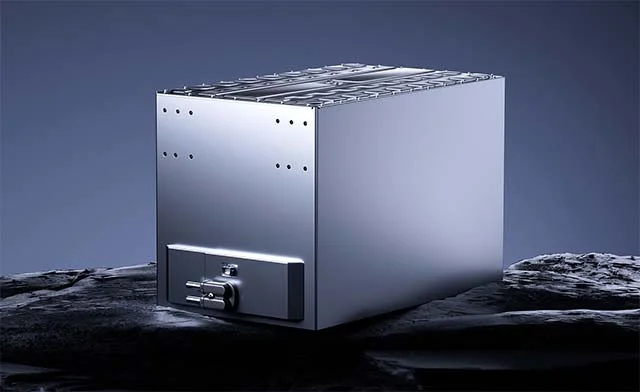
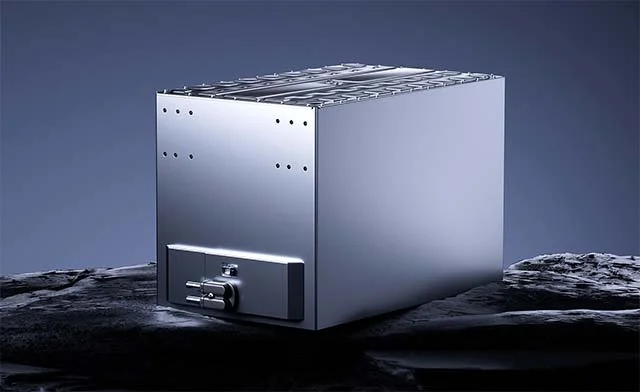
CATL has introduced its TECTRANS II battery platform at the IAA Transportation 2026 in Hanover, marking a pivotal advancement for the electrification of heavy-duty trucks, buses, and medium-duty vehicles. This next-gen modular system is designed specifically to address the demanding requirements of long-haul electric transport, with an emphasis on driving range, charging efficiency, payload capacity, and overall vehicle uptime.
Remarkable Range and Fast Charging
This new battery platform aims to redefine operational capabilities in the commercial vehicle space. CATL claims that under optimal conditions, TECTRANS II can deliver an impressive range of up to 1,000 kilometers. However, prospective users should note that actual performance will be influenced by factors such as vehicle specifications, payload weight, environmental conditions, and driving patterns.
Charging efficiency is as critical as range for long-distance trucking logistics. TECTRANS II can achieve 80 percent charge in a mere 25 minutes when connected to megawatt-level fast chargers, demonstrating CATL's commitment to enhancing operational efficiencies for fleet operators.
Modular Approach for Flexibility
A key innovation in the TECTRANS II is its modular architecture, allowing manufacturers to arrange different configurations of standardized battery packs. This flexibility is beneficial as it aligns with varying energy and payload needs across different vehicle types. The platform’s design accommodates both central-drive systems and electric axle architectures, providing manufacturers with significant versatility to create new models tailored to specific requirements.
In addition to conventional charging, the platform supports battery swapping, enabling rapid energy replenishment where the necessary infrastructure is available. This dual capability could revolutionize long-haul freight operations by reducing downtime for vehicles.
Standardization Enhances Lifecycle Management
CATL has embraced a standardized approach across the TECTRANS II platform, establishing common external dimensions, electrical interfaces, and communication protocols. This standardization is intended to facilitate the integration of new battery technologies with minimal engineering adjustments, effectively future-proofing the vehicles that utilize this system.
The implications are significant: CATL estimates the modular design could shorten vehicle development cycles by up to 50 percent and slash R&D expenditures by as much as 60 to 70 percent. This efficiency is vital for manufacturers eager to respond quickly to evolving market demands.
Enhanced Energy Density for Competitiveness
The TECTRANS II boasts a competitive gravimetric energy density of 170 Wh/kg, which CATL indicates is approximately 13 percent higher than the industry average. This increase in energy density is essential for commercial applications where payload capacity is critical, allowing for greater freight loads without sacrificing battery performance. CATL mentions that the TECTRANS II can enable an additional 0.6 tonnes of payload relative to other battery technologies at similar capacities.
The design also incorporates a full-tab, low-impedance architecture, claimed to achieve 96 percent round-trip efficiency. This high efficiency minimizes charging losses and maximizes the energy available for daily operations, a strategic advantage for fleet management.
Durability Designed for Heavy Use
The longevity of the TECTRANS II battery is engineered for the demands of commercial fleets, promising a lifespan of 12 years or 1.5 million kilometers while retaining a minimum of 70 percent capacity. CATL emphasizes that the physical durability of the battery is a critical feature, employing a hot-formed steel upper cover alongside an extruded-aluminum casing designed to withstand rough operational conditions.
With a protective bottom plate capable of withstanding impacts up to 1,000 joules and an enclosure resistant to lateral pressures of up to 250 kN, the TECTRANS II is built to last. Additional design features include advanced battery management systems for fault tolerance and built-in cybersecurity measures to safeguard vehicle systems.
Adaptability Across Vehicle Types
The TECTRANS II’s design focuses on versatility, allowing it to adapt to various types of commercial vehicles. Whether mounted under the vehicle or integrated into the roof, the platform offers manufacturers flexibility in designing their models, whether for heavy-duty trucks, medium-duty vehicles, or buses. This adaptability is crucial in a rapidly evolving market where technology and standards are continually changing.
Partnerships for Broader Impact
Alongside the TECTRANS II launch, CATL announced a collaboration with DHL to establish Green Freight Corridors throughout Europe. This partnership aims to integrate CATL's battery solutions with DHL's extensive logistics framework, enhancing the uptake of electric freight vehicles. The initiative emphasizes the importance of a supportive ecosystem, which includes charging infrastructure and operational frameworks, for successful electric freight transport.
The combined efforts are intended to address not just battery technology but also the overarching support required for electrifying freight transport, indicating CATL's broader vision of leading the shift to sustainable logistics.
CATL's advancements in battery technology through the TECTRANS II is indicative of their strategic focus on commercial electrification, highlighting the unique requirements of long-haul electric vehicles and the necessary infrastructure to support them. This platform, backed by substantial integration efforts with logistics partners, underscores CATL's ambition to become a pivotal player in the electrification of the freight industry.

Discussion
Sign in to join the discussion.