Renault's new 8 Gordini Concept merges classic design with electric performance, featuring a stylish coupe format and a 270-hp motor.
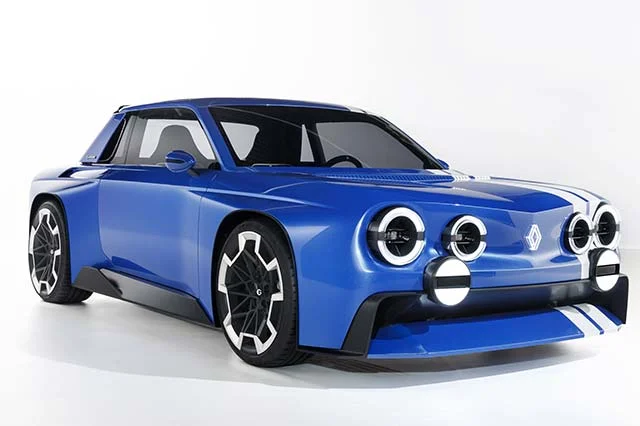
Renault breathes new life into its iconic performance heritage with the unveiling of the Renault 8 Gordini Concept, a sleek, electric two-door coupe that pays homage to the original model from the 1960s. This contemporary interpretation is not just a nostalgic callback; it aims to evoke the spirit and excitement of the classic Gordini while incorporating modern design and technology.
The concept vehicle is a product of Renault's in-house design team and blends the distinctive features of the original Gordini with a fresh aesthetic. It comes equipped with a 270-horsepower electric motor, showcasing Renault’s commitment to merging heritage with the electrification of its lineup. Rather than replicating the original model, this concept revitalizes the legacy through modern aesthetics and technology.
A Fresh Spin on a Classic
The inaugural Renault 8 Gordini made its debut in 1964, featuring a rear-mounted engine with 95 horsepower. The car quickly garnered attention for its accessible performance and sharp handling, becoming a favorite among automotive enthusiasts and rally drivers like Jean Ragnotti. Its renowned double white racing stripes became a symbol of its sporty identity.
This latest version takes a dramatic turn with its proportions. Deviating from the four-door sedan configuration, the new Gordini is reimagined as a compact two-door coupe, measuring 4.12 meters in length, 1.88 meters in width, and standing 1.27 meters tall. The vehicle boasts a dynamic stance, thanks to its combination of 19-inch front wheels and 20-inch rear wheels, a hallmark of modern rally cars.
Accompanying its retro styling is a modern electric powertrain, with a focus on performance that harkens back to the original Gordini’s spirit. The rear-wheeled drive setup echoes the classic design elements while integrating cutting-edge technology.
More Than Just Nostalgia
Renault has approached this concept from an innovative angle, launching the project through an internal design competition that yielded over 300 sketches from various designers. This initiative aimed to explore a spectrum of concepts, from traditionally retro to futuristic interpretations, ultimately focusing on creating a new vision of the Gordini.
The resultant design reflects the iconic aspects of the original model without merely copying its silhouette. Renault describes a philosophy centered on a “café racer” essence, stripping away unnecessary components to accentuate the vehicle's aesthetics and mechanical qualities. This minimalist approach is evident in features like hidden body lines and a hood that is removable as a single unit, reminiscent of racing vehicles.
Classic Elements in a Modern Context
Despite diverging from its predecessor's shape, the new concept embodies numerous recognizable design cues from the original Renault 8 Gordini. The Gordini lettering gets an update inspired by earlier badges, while a segmented "8" emblem provides a contemporary touch to the classic identity. Inside the cabin, a crest references the original diamond-shaped emblem, merging past and present.
The vehicle's design also integrates a modern interpretation of the original's waistline, now serving as an aerodynamic component directing airflow efficiently. The vehicle's strong profile is enhanced by rectangular wheel arches, enhancing its dynamic appearance.
Lighting is another standout feature of this concept. The original model’s rally headlights have metamorphosed into a contemporary six-headlight setup, featuring three round lights embedded into the front bodywork. The rear lights remain discreet, appearing almost flush with the body when not illuminated, maintaining the vehicle's clean lines while nodding to its heritage with shell-shaped mirrors and a grille-like element at the base of the windshield.
This proposal also employs a distinctive blue exterior, reflecting the original "Bleu de France" but modernized with advanced paint techniques that provide depth through a mother-of-pearl finish combined with a tinted binder.
The Iconic Gordini Stripes Redefined
Nearly synonymous with the Gordini name, the classic double white stripe has evolved from simple decoration into a visually striking structural element that links different components of the car. This design language flows seamlessly from the windshield base and extends through to the rear lighting, contributing to a cohesive aesthetic.
The interior mirrors this design philosophy, blending historical references with sophisticated technology. The dashboard features brushed aluminum and a series of round digital displays, continuing the three-dimensional look initiated by the exterior lighting.
Gone are conventional plastic trims, replaced by premium materials like Alcantara and brushed aluminum, creating an environment that is both minimalist and focused on the driving experience. The incorporation of blue corduroy into the bucket seats echoes the flat seating of the original Gordini while maintaining a contemporary performance aesthetic.
A Nod to Gordini's Legacy
This concept doesn't just serve as a design study; it honors Amédée Gordini, the engineer credited with establishing the Gordini brand within Renault’s performance segment. Gordini’s early collaborations with Renault, beginning in 1957, laid the groundwork for iconic models like the Renault 8 Gordini, which became synonymous with performance.
Ultimately, the Renault 8 Gordini Concept encapsulates more than a tribute to nostalgic design; it's a bridge connecting the brand’s historic performance roots with its electric future. While still a concept, it demonstrates how Renault is poised to leverage its heritage to innovate in the automotive space without losing sight of what made the original models special.
Discussion
Sign in to join the discussion.