September 2026 saw global EV sales hit 2.15 million, with Europe thriving while China and North America faced challenges.
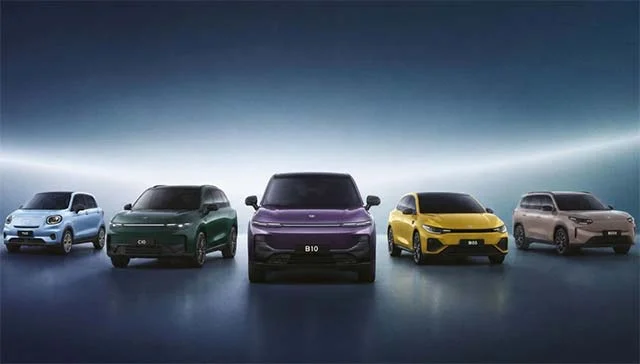
In September 2026, electric vehicle (EV) sales achieved a global total of 2.15 million units, marking a significant rebound driven by a record month in Europe. While Europe witnessed remarkable growth, the situation was less favorable in China and North America, where demand softened and sales plummeted respectively.
According to Benchmark Mineral Intelligence, there was a 17% month-on-month increase in global EV sales, although this still represented a 2% decline compared to the same month last year. Cumulatively, the year-to-date sales have reached 15.5 million units, reflecting a 3% rise from the previous year’s figures at this time.
Europe's Strong Performance
Europe emerged as the standout market for EV sales in September, with nearly 600,000 electric vehicles sold. This represented a 39% increase year-on-year and an impressive 62% boost from the previous month, surpassing the pre-existing monthly record set in June by 10%.
Year-to-date, sales in Europe have risen by 30%. This growth was driven predominantly by battery electric vehicles (BEVs), which experienced a staggering 50% increase, while plug-in hybrid electric vehicles (PHEVs) saw more modest growth of 16%.
Countries within Europe also grew, with the UK, France, Spain, Portugal, and Finland all reporting their highest monthly sales figures ever. France had a particularly commendable month, with sales up 78% year-on-year, nearing 80,000 units, and Germany also performed well, notching a 61% increase to 117,000 units.
The UK’s sales saw a dramatic threefold increase compared to August, attributed partly to the typical September registration change. Despite the surge, EV penetration rates remained stable at around 40%, indicating a solid foothold in the new car sales market.
China Faces Decline Despite Strong Exports
Contrasting markedly with Europe, China’s EV market faced headwinds, with sales dropping 18% year-on-year. Interestingly, there was a monthly uptick of 7% from August, but the annual decline has widened from 11% in the prior month.
Year-to-date sales in China decreased by 13%, with plug-in hybrids hit particularly hard with a 25% decline. In contrast, battery electric vehicles fared somewhat better, experiencing a 6% decrease.
Notably, amidst declining domestic sales, Chinese manufacturers have maintained production levels, shifting their focus toward international markets. Exports of new energy vehicles (NEVs) hit a record-high of 558,000 units in September, underscoring the increasing significance of foreign markets for China’s automotive sector.
However, upcoming regulations may introduce complications. A proposed agreement between the European Union and China aims to cap imports of Chinese-manufactured full and plug-in hybrid vehicles at 350,000 units per year starting in 2027, with progressive increases afterward. This aligns with the growing segment of the European market where, in 2025, Chinese vehicles accounted for approximately 14% of PHEVs, now rising to 29% year-to-date in 2026.
China is also set to reduce its export VAT rebate from 13% to 9% starting April 1, 2027, a move that could increase costs and squeeze profit margins further as domestic competition grows.
North America Adjusts Post-Tax Credit
In North America, September sales illustrated the most pronounced decline among major markets with a staggering 44% drop compared to the same month last year, along with an 8% decrease from August. This decline pushed the year-to-date performance to a staggering 24% dip.
The steep decline can be partially attributed to a one-time spike in purchasing last September, just before the expiration of the federal EV tax credit, prompting many consumers to act early to benefit from incentives. Such a comparative backdrop suggests that the recent sales figures might not paint a dire picture of underlying demand.
Looking forward, industry analysts expect that comparisons in subsequent months will show a more favorable outlook, as sales metrics shift to reflect conditions post-tax credit removal.
Regional Variations in the Global EV Market
The September sales data reveal stark regional discrepancies in the global EV market. Europe’s escalating sales figures underscore its role as a primary growth engine, bolstered by surging demand for battery electric vehicles in various key markets.
In contrast, the Chinese market grapples with diminished domestic demand while pushing for international expansion through record exports. However, potential import restrictions from Europe and changes in China’s export incentives could reshape competitive dynamics.
North America’s situation remains tenuous, with pressures following the tax credit lapse, though the unique circumstances surrounding last year’s inflated purchasing lend context to the current decline.
With 15.5 million units sold globally in the first three quarters of 2026, the market maintains higher volumes than a year prior, despite the modest annual downturn in September. The coming months will be pivotal in determining whether Europe's ongoing momentum and China's export capabilities can counterbalance the challenges faced by North America and China's domestic landscape.


Discussion
Sign in to join the discussion.