Denza's Z9 GT will offer God’s Eye City Navigation in Europe by 2027, enhancing urban driving with advanced city-driving assistance technology.
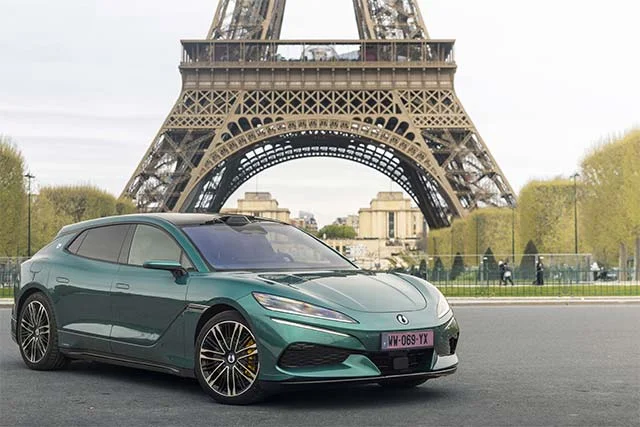
BYD's premium brand, Denza, is set to roll out its God’s Eye City Navigation system with the Z9 GT in Europe by 2027. This advanced driver-assistance technology aims to significantly improve navigation in urban areas, where driving conditions can often be challenging. Urban environments present unique obstacles for drivers, from pedestrian traffic to sharp turns and tight spaces.
Strategic Vision for Urban Navigation
Stella Li, BYD's Executive Vice President, revealed the plans during the Paris Motor Show 2026. She emphasized that the company has been preparing to deliver city-navigation assistance, catering specifically to European consumers. The Denza Z9 GT is equipped with the necessary hardware, while the software is currently being tailored to meet local driving conditions and regulations. This localized approach shows an understanding of the distinct challenges European cities pose, such as varied speed limits and complex intersections.
The Technology Behind God’s Eye City Navigation
What sets God’s Eye CNOA apart from traditional systems is its focus on managing a variety of everyday urban driving scenarios. It facilitates navigation between locations while offering support for intricate maneuvers that cities often require, such as stopping at red lights, observing speed limits, navigating roundabouts, and safely executing left turns and lane changes amidst heavy traffic. These features reflect an evolution in navigation tech, addressing issues that conventional systems often overlook.
Crucially, the system's design includes the ability to detect vulnerable road users, including pedestrians and cyclists, which enhances safety during narrower street navigation. This is particularly significant in busy urban settings, where interaction with cyclists and pedestrians is common. Drivers will appreciate the system’s proactive safety features during their daily commutes, potentially reducing accidents and fostering a culture of safer driving.
This feature set makes the Denza Z9 GT an appealing choice for urban commuters who frequently navigate congested streets and complex intersections. However, it’s essential to clarify that this technology operates as a Level 2 driver-assistance system rather than full autonomy, meaning drivers must remain vigilant and ready to take control of the vehicle as needed. Automated systems at this level require an active and engaged driver, presenting a fine balance between assistance and responsibility.
Pathway to Market Readiness
During its Paris launch in April 2026, Denza confirmed it would incorporate the hardware for City Navigation on its vehicles. The company now reports that the software is advancing toward obtaining the necessary regulatory approval for deployment in European markets. This step is pivotal, as it aligns with both consumer expectations and regulatory frameworks that govern vehicle standards and safety measures across the continent.
The Hardware Behind the Performance
The hardware configuration for the Z9 GT includes:
- One LiDAR sensor
- 11 cameras, covering multiple angles (front, rear, side, and surround)
- Three millimeter-wave radar sensors
- 12 ultrasonic sensors
This combination of technology allows the system to map out the driving environment, including other vehicles, road layouts, and pedestrians. The integration of multiple sensor types is a strategic choice to ensure reliability and precision in varied driving conditions. Each element plays a critical role in creating a holistic view of the vehicle's surroundings, which is essential for making split-second decisions in urban traffic.
Regulatory Challenges and Calibration
Before the system can go live in Europe, it needs to undergo calibration and secure type approval as per UN regulations, specifically Regulation No. 171. Driver-monitoring capabilities will assess factors such as the driver's gaze, head position, and hand placement on the steering wheel. This regulatory approval process is often a lengthy one, reflecting the high stakes involved in automated driving technologies. A misstep could lead to significant delays in deployment, potentially impacting Denza's market positioning.
The Road Ahead: OTA Updates and Consumer Implications
Denza plans to provide the CNOA functionality to customers via an over-the-air (OTA) software update in 2027. This means that current Z9 GT models with the necessary hardware won't require additional installations to access the new features, pending final regulatory approvals and market rollout. It’s an efficient approach that speaks to modern consumer expectations—people want the latest technology without the hassle of visiting service centers. But this process isn’t without its challenges. Ensuring users stay informed about updates and maintaining system integrity are ongoing concerns.
Implications and Future Outlook
As urbanization continues to surge, the introduction of sophisticated navigation technologies like the God’s Eye City Navigation system is increasingly relevant. For drivers grappling with the complexities of urban commuting, this system represents a potential shift in how car owners interact with their vehicles. If you're working in this space, understanding the balance between driving assistance and full autonomy is critical. The technology might only operate at Level 2 right now, but the groundwork is being laid for more advanced systems that could one day lead to fully autonomous driving. The question remains: will consumer acceptance keep pace with rapid technological innovation?
Discussion
Sign in to join the discussion.