ProLogium and Rimac Technology are advancing electric vehicle battery development with a focus on thermal management and a cell-to-pack approach.
Strategic Partnership Marks a New Era in EV Battery Technology
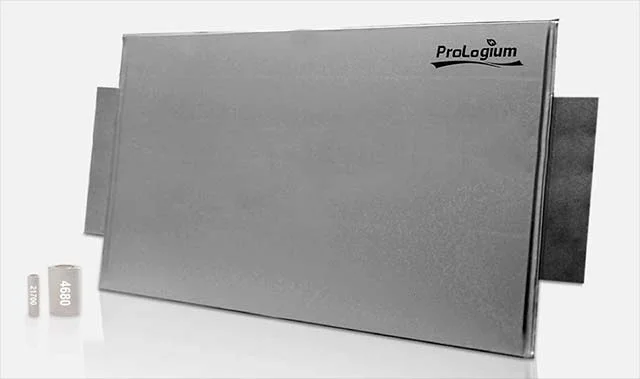
ProLogium and Rimac Technology have marked a significant milestone in their partnership aimed at revolutionizing electric vehicle batteries. They recently unveiled a mockup of a new battery pack concept at the 2026 Paris Motor Show, signaling a key step forward in their collaborative project. This unveiling not only showcases the technical potential of their joint venture but also illustrates the growing urgency for advancements in EV battery technology as global demand for electric vehicles rises.
Since signing a Memorandum of Understanding (MOU) in September 2025 for joint battery platform development, the two firms have made notable progress. They have transitioned from initial design concepts to laying the groundwork for creating functional hardware. This shift is essential as they set their sights on testing integration technologies tailored for battery electric vehicles (BEVs), which are increasingly becoming mainstream choices for consumers.
New Developments Ahead: Key Technical Focus Areas
The next stage will zero in on developing a functional battery segment, a vital component in the broader framework of EV innovation. The focus will include not just thermal management strategies but also cell integration methodologies. Understanding how to efficiently manage heat during the battery's operation is fundamental. Overheating can not only compromise performance but can also reduce the battery's lifespan significantly, a factor that often gets overlooked amid the excitement of increasing energy capacities and faster charging times.
This collaboration fuses ProLogium’s cutting-edge battery cell technology with Rimac’s impressive capabilities in battery systems engineering. Together, they are honing in on a cell-to-pack architecture that optimizes space and weight while enhancing system performance—an important consideration as automakers aim to increase range without expanding vehicle size. Perhaps most importantly, this partnership seems to understand that building a complete automotive battery system involves navigating a complex array of challenges beyond energy density and charging times.
Indeed, thermal management, cell swelling, and the physical constraints of fitting a battery into the vehicle are all critical factors that need meticulous attention during development. These issues can make or break a battery’s effectiveness in real-world application. This isn’t just about shifting electrons; it’s about engineering a system that can withstand the rigors of daily automotive life.
The introduction of the concept mockup represents merely the tip of the iceberg. The forthcoming functional hardware will allow the teams to experiment with their integration solutions and gather critical engineering data. This early data gathering is integral to defining performance metrics and ensuring that when the time comes for full-scale production, the technology is truly ready for the market.
Exploring Solid-State Technology and Integration Approaches
According to Daniel Kišić, Principal Product Architect at Rimac Technology, the team is actively developing scalable integration technology for solid-state pouch cells—considered by many to be the next leap in battery tech. They're assessing multiple integration strategies in parallel, each with varying focuses on thermal and swelling management, alongside overall system design. This exploration not only showcases the ambition of the team but also highlights the competitive environment in which they’re operating.
Some prototypes will prioritize maximizing energy density, while others may emphasize reducing size and weight. However, the engineering process originates from the specific needs of the vehicle, signifying a shift toward more vehicle-centric designs. There's a strong push to minimize complexity while enhancing overall efficiency—all while keeping costs in check. The implications? If successful in validation, these advancements could lead to lighter batteries that improve vehicle efficiency and expand driving ranges.
Moreover, optimizing battery size may offer manufacturers the flexibility to integrate more components or technology into vehicles without sacrificing performance. (And this is the part most people overlook.) This could enhance not just the vehicle's performance but also its functionality and user experience. That said, these anticipated benefits remain aspirational for now and are contingent on rigorous testing across both battery and vehicle levels.
Outlining a Path Forward for Battery Development
ProLogium and Rimac are adhering to a phased development strategy designed to carry the project from conceptualization to functional battery hardware and ultimately in-vehicle testing. This structured approach is especially pertinent in a field where missteps can lead to significant delays and costly redesigns.
Upcoming major milestones include:
- CES 2027: Presentation of the functional battery segment currently in development.
- Second half of 2027: Development target for a complete functional battery pack.
- Second half of 2028: Anticipated in-vehicle integration and real-world testing.
Each phase aims to validate different aspects of the technology, allowing engineers to assess specific integration concepts before moving to full battery pack production. Subsequent vehicle testing will provide insights into how the technology performs under actual automotive conditions. However, while the timeline offers development targets, it's crucial to remember that it doesn’t guarantee when a commercially viable battery or vehicle equipped with this technology will be available.
Implications for the Future of Electric Vehicles
This partnership may pave the way for advancements that can redefine consumer expectations around electric vehicle performance. If successful, ProLogium and Rimac might not only set new standards for battery efficiency and safety but also influence the larger automotive industry. The implications extend beyond mere battery performance; they could enhance the overall sustainability of electric vehicles by enabling longer drives on a single charge, thus addressing one of the most recurrent criticisms of EVs: range anxiety.
What this means for you, the consumer, is a potential shift toward more viable electric vehicle options that don't compromise range or safety. However, what looms large is the uncertainty surrounding actual commercialization timelines and the challenges that lie ahead in battery validation and production. As other companies scramble to keep up with demand and consumer expectations, the stakes are growing higher. The battery race is accelerating, and we’re only just beginning to see its implications unfold.
The post ProLogium and Rimac Push Boundaries in EV Battery Innovation appeared first on Electric Cars Report.
Discussion
Sign in to join the discussion.