UK electric van registrations rose 58% in October to a record for the month, while forecasts still put adoption far below mandated targets.
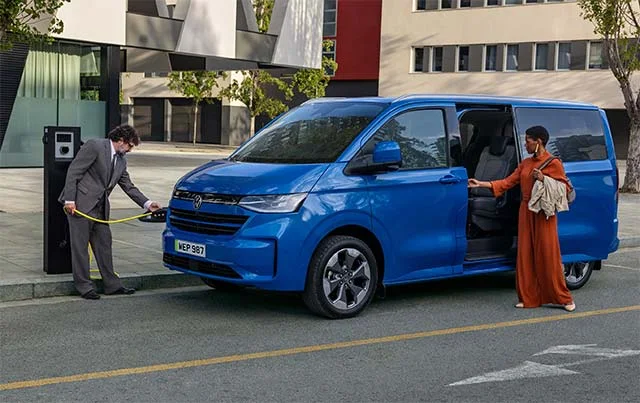
Electric van sales rise as the market recovers
UK businesses registered a record number of electric vans for October, yet the figures expose a widening gap between commercial demand and the government’s zero-emission targets. Battery-electric van registrations jumped 58% year over year to 3,369, equal to 12.9% of the light commercial vehicle market, according to the Society of Motor Manufacturers and Traders (SMMT). That’s a strong monthly result, but one month’s growth doesn’t show whether operators can sustain purchases at the pace required by the mandate.
The increase came during a broader recovery. The UK recorded 25,510 new vans, pickups and 4x4s in October, up 11.4% from a year earlier and marking the market’s seventh straight month of growth. Registrations for the first ten months of 2026 rose 4.8% to 276,885. The wider rebound matters because electric vans are competing for fleet budgets alongside vehicles powered by other technologies, and the total market is expanding at a steadier pace than electric registrations alone.
This is more significant than it looks: record electric sales show that some businesses are making the switch, but the market share still leaves a considerable distance to cover. If you’re working in this space, the useful question isn’t just whether registrations are rising; it’s whether the increase reflects durable fleet demand or purchases encouraged by discounts and support.
Large vans drive the expansion
Large vans accounted for most of October’s registrations, with 18,560 units, a 12.9% rise and 72.8% of the total. Medium vans climbed 14.3% to 3,825. The distribution is a reminder that the headline market is shaped heavily by larger vehicles, which serve a broad range of commercial work and make up most new registrations. The sharpest percentage increase came from 4x4s, whose registrations more than doubled to 899, up 104.3%, though their smaller base means that jump contributed less volume than the large-van category.
The gains weren’t shared across every category. Small vans fell 11.7% to 462, while pickups dropped 17.7% to 1,764. Pickup registrations are down 52.9% year to date compared with the same period in 2025. The source attributes much of that weakness to tax changes that treated double-cab pickups like cars for benefit-in-kind and capital allowance purposes. That points to how policy can influence purchasing decisions across the wider market, even when the policy isn’t directly aimed at electric vans.
Record month, low forecast share
Electric vans made up 11% of registrations over the first ten months of the year. More than 40 zero-emission models are now on sale, giving fleet operators a broader range of vehicles for different jobs. The Plug-in Van Grant and Depot Charging Scheme have also helped lower the cost of switching. More choice and financial support can remove some barriers, but neither establishes that every vehicle can meet a particular route, payload or operating schedule.
Still, the October result sits well below the pace required by the ZEV Mandate. The SMMT forecasts that vans weighing up to 3.5 tonnes will account for 10.4% of the market in 2026, against a mandated target of 24%. It expects the share to rise to 14.9% in 2027 and 18.8% in 2028, compared with targets of 34% and 46%. The gap between forecast and target widens in the years shown, making the problem more than a question of whether October’s record can be repeated.
The wider LCV market is forecast to grow 4.2% this year, reaching about 329,000 registrations. But electric van demand remains the central uncertainty for manufacturers: discounts are being used to stimulate sales and limit the costs of missing mandate requirements, while forecasts point to a substantial shortfall. Here’s the thing: discounts can help get vehicles onto the road, but they don’t by themselves answer whether buyers will keep ordering once the immediate price incentive is less prominent.
Charging remains a practical bottleneck
More models and purchase support can help, but fleets also need charging that fits their working patterns. Many vans return to a depot each evening, making reliable depot charging central to electrification. Long waits for grid connections can delay installations, and public charging sites must be able to accommodate larger vehicles and the demands of commercial use. (And this is the part most people overlook.) A vehicle can meet a fleet’s technical needs and still be difficult to adopt if the charging arrangements can’t keep it available for work.
For operators, that makes the transition a coordination problem as much as a vehicle choice. Depot space, access to power and the timing of charging all shape whether an electric van can fit into routine operations. Similar commercial charging projects often depend on infrastructure being ready alongside vehicle procurement; if those steps fall out of sync, purchase support alone may not resolve the delay. And yet, the record month suggests some businesses are finding workable arrangements already.
SMMT Chief Executive Mike Hawes welcomed the market’s seventh consecutive month of growth, while describing the recovery as fragile. He pointed to the electric registration surge but said demand remains well short of government expectations. That assessment captures the tension in the figures: the overall market is recovering, and electric sales are rising quickly, but the forecast still falls far short of the mandated path.
Hawes called for meaningful changes to the ZEV Mandate before year-end, arguing that small adjustments wouldn’t address the pressures facing the sector. The SMMT says a transition plan aligned more closely with market conditions would help protect investment, preserve model choice and give businesses confidence to replace older vans. Those are the industry group’s stated arguments; the registration data alone can’t settle what mandate changes would achieve. October shows that interest is growing. Whether that interest turns into sustained fleet adoption will depend on charging access, purchase economics and how quickly the gap between sales and targets narrows.
For now, the market has momentum, but the forecast remains the harder measure. A record month is a useful signal of progress; it isn’t evidence that the transition is on track. Not yet.
The post UK Electric Van Registrations Hit Record October as BEV Demand Surges 58% appeared first on Electric Cars Report.
Discussion
Sign in to join the discussion.