Renault’s electric Trafic starts at £38,000 plus VAT, with up to 292 miles of range, 800V fast charging and a software-defined vehicle platform.
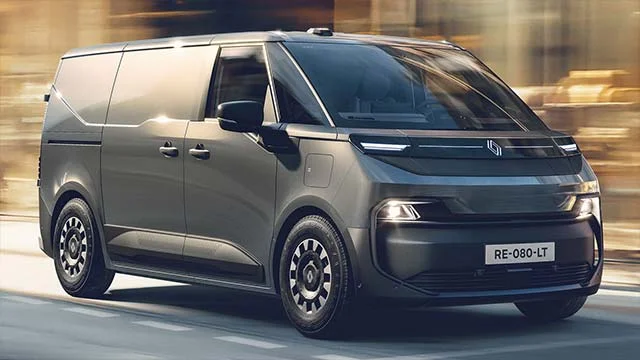
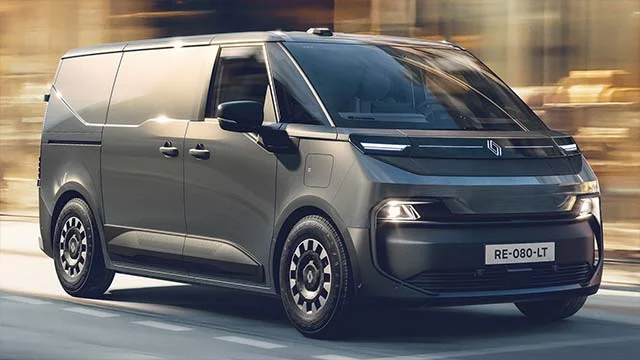
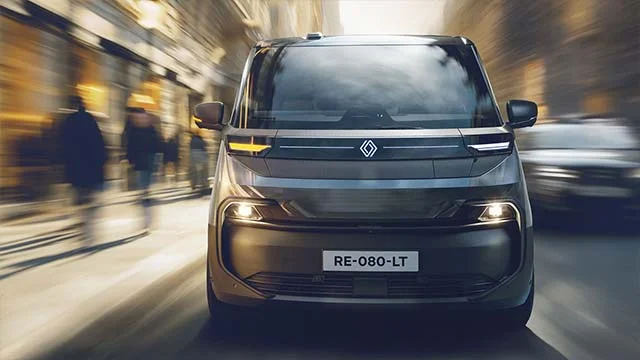
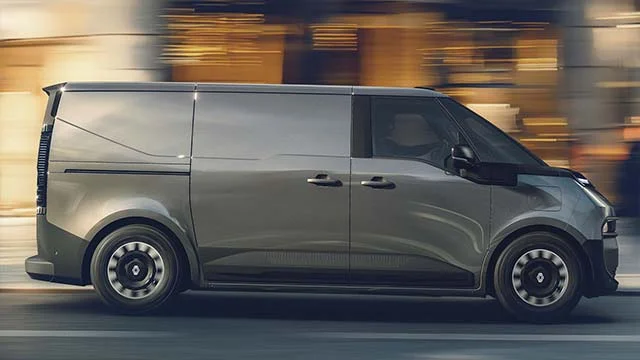
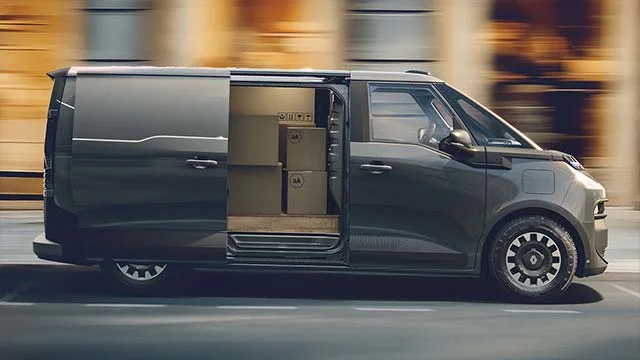
Renault’s next Trafic makes its business case with a mix of familiar van utility and a less conventional feature: it’s the brand’s first software-defined vehicle. The Trafic E-Tech electric is priced from £38,000 plus VAT in the UK, and its specifications pair a claimed maximum range of 292 miles with 800V charging on the larger battery.
That combination puts fleet operations at the center of the launch. Renault says the vehicle’s software architecture can support updates and added functions over its working life, while the two battery choices, two body lengths and panel or crew van layouts let operators configure it around different routes and jobs. The model has also been named International Van of the Year 2027.
Software designed around fleet work
The software-defined architecture is the clearest departure from a conventional van specification. Renault says the Trafic can gain software improvements and additional functions after it leaves the factory, giving the vehicle a path to evolve during its service life.
For fleet managers, the practical value will depend on how those capabilities work in day-to-day operations. Renault says businesses will be able to integrate their own applications into vehicle systems. A delivery company could put routes, schedules and job details on the dashboard; an operator with a refrigerated conversion could connect apps to monitor and control that equipment.
Renault also points to remote diagnostics and predictive maintenance. Earlier fault detection could help operators plan repairs and reduce downtime, though the launch information doesn’t quantify the potential savings or describe how the services will be packaged. The larger point is that connectivity and vehicle software are being treated as part of the van’s operating equipment, not just its infotainment system.
Battery choices, range and charging
Renault will offer 60kWh and 81kWh batteries. The smaller pack is aimed at urban work and shorter routes; the larger option is specified for longer days and carries a claimed WLTP combined range of up to 292 miles.
Both versions use a 160kW motor producing 355Nm of torque. Renault attributes consumption as low as 17.2kWh/100km to aerodynamic changes, a heat pump and energy management. It also claims the van is nearly 30% more efficient than its closest competitors. That figure is Renault’s comparison, and the source provides no test method or rival models; actual energy use will vary with payload, weather and route.
The 81kWh model’s 800V electrical system supports DC charging at up to 190kW. Renault says a suitable charger can take the battery to 80% in under 20 minutes. It describes the Trafic as the only medium-sized electric van available in the UK with 800V architecture, a distinction that may matter to operators trying to fit charging into short breaks between jobs.
Vehicle-to-load capability lets the van’s battery power compatible equipment. It comes as standard on the extra trim and is optional on advance, giving tradespeople a way to run tools at sites without a convenient mains supply.
Load capacity and urban dimensions
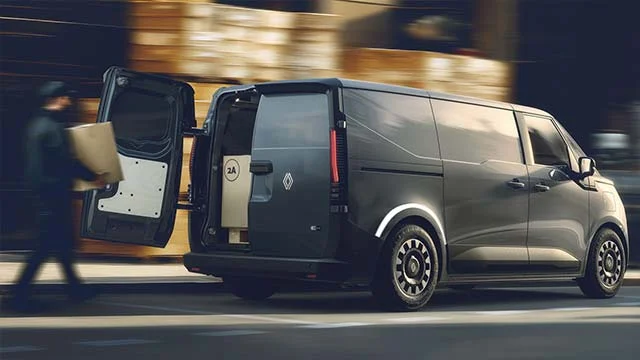
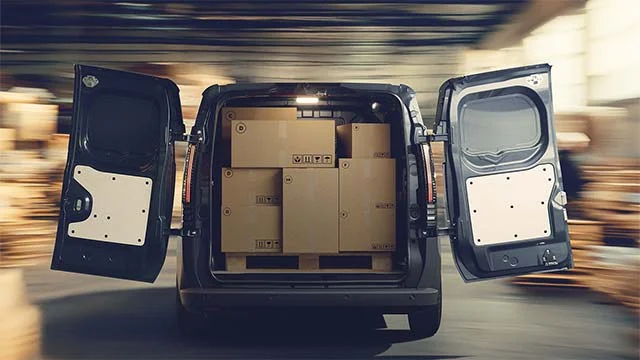
The Trafic E-Tech is offered in lengths of 4.87 metres and 5.27 metres. Depending on body and configuration, cargo volume ranges from 5.1 to 5.8 cubic metres, with room for three Euro pallets. Renault lists maximum payload at 1.3 tonnes and towing capacity at up to two tonnes.
Its dimensions address a common constraint for urban fleets: at 1.89 metres tall, it can enter many height-restricted car parks. The 10.3-metre turning circle is comparable to that of the Renault Clio, which should help when manoeuvring through narrow streets and loading areas.
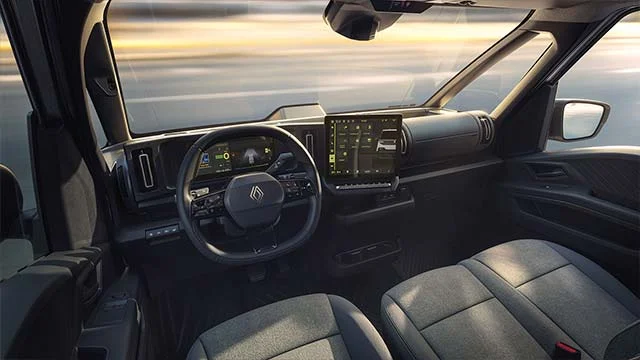
Inside, the cabin combines a digital instrument display with a 12.3-inch infotainment touchscreen and 32 litres of storage. Renault says the rear suspension is tuned to preserve ride comfort when the van is carrying heavy loads over uneven roads. Those details may have more bearing on a working day than headline power figures, particularly for drivers spending long hours in stop-start traffic.
Advance and extra equipment
The UK range will have two trims, advance and extra. Advance includes a 10-inch digital driver display, a 12.3-inch openR evo multimedia system, wireless smartphone integration and Google Play Store access. Driver assistance and parking equipment includes adaptive cruise control, front, rear and side sensors, a reversing camera and automatic emergency braking. An electric parking brake with auto-hold, adaptive LED headlights, manual air conditioning and hands-free access and start are also listed as standard.
Extra adds metallic paint, additional airbags and automatic climate control. Its driver’s seat gains more adjustment, lumbar support and an armrest; wireless phone charging and HERE navigation are also included. Renault says buyers can specify a mobile office setup, 230V sockets and further load-area equipment for specialist work.
The trim split gives fleets a choice between a substantial standard technology package and added comfort features. The final specification and price will vary with battery, body configuration and selected equipment.
UK price and delivery timing
Renault has set the starting price at £38,000 plus VAT. Pre-orders are scheduled to open on November 5, 2026, with first customer deliveries expected in the second quarter of 2027. The UK range will include panel and crew van configurations, both body lengths and both battery sizes.
The award and headline range give the Trafic E-Tech a strong opening proposition, but fleet buyers will need more than specification-sheet figures to judge it. Real-world efficiency under load, charging access, purchase price by configuration and the cost of keeping the software and connected services running will shape its value in service. Its arrival in 2027 should make those questions answerable with customer vehicles on the road.
The post Renault Trafic E-Tech Electric Priced From £38,000 in the UK appeared first on Electric Cars Report.
Discussion
Sign in to join the discussion.