Battery-electric cars reached 23.4% of EU registrations through October 2026, while petrol and diesel fell to a combined 27.7%.
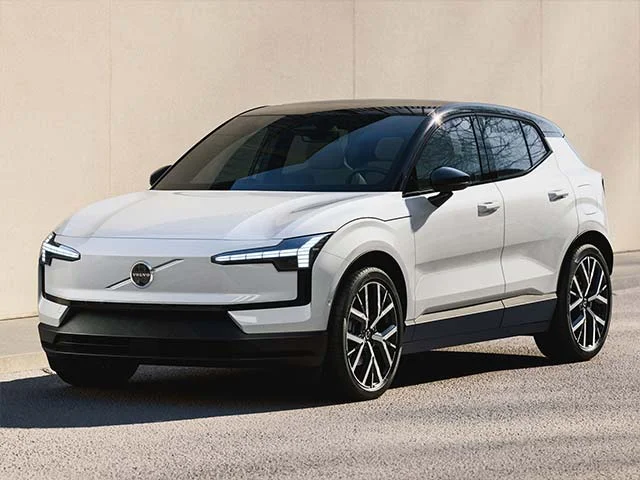
Europe’s car market is growing, but the powertrain mix is changing faster than the headline registration figure suggests. New car registrations across the EU rose 5.4% in the first ten months of 2026, while battery-electric and hybrid models took share from petrol and diesel. Hybrids remained the leading choice; battery-electric cars posted the strongest gains among the largest segments.
That split matters. A growing market can lift several categories at once, but the changes in market share show where buyers are shifting their preferences. The figures describe registrations, not the reasons behind each purchase, so they offer a useful measure of direction without explaining the full story.
Battery-electric growth is concentrated in major markets
EU registrations of battery-electric vehicles (BEVs) reached 2,211,071 from January through October, up from a 16.4% market share in the same period of 2025 to 23.4%. That made BEVs the union’s second-largest powertrain category. The rise in share is substantial, though it still leaves BEVs short of the position held by conventional hybrids.
France led growth among major markets, with registrations up 79.4%. Germany rose 60.7%, Denmark 41%, and Belgium 16.7%. Together, those four markets accounted for 65% of EU battery-electric registrations, making their performance central to the segment’s expansion.
EU battery-electric sales data point to a market where gains are substantial but geographically concentrated. The figures don’t establish what drove each country’s increase, though the wider availability of electric models and demand-support measures in several countries have helped the shift. A concentrated rise can push the EU total higher, but it also means the aggregate growth shouldn’t be mistaken for an equally strong change in every national market.
This is more significant than it looks: the BEV share has moved beyond a niche position in the registration mix, yet the headline still depends heavily on a handful of countries. If you’re working in this space, that unevenness is a reminder that one EU-wide figure can conceal very different customer responses and market conditions. The data show where the registrations occurred, not whether the same forces are operating elsewhere.
Hybrids still lead, with plug-in models also advancing
Conventional hybrid-electric cars retained the largest share of new registrations. The EU recorded 3,407,062 hybrid registrations, equal to 36% of the market. Italy grew 20% and Spain 18.7%; Germany was up 3.9%, while France was nearly flat, down 0.1%. The spread among these markets suggests that the category’s strength isn’t uniform, even as its EU-wide lead remains clear.
Plug-in hybrids (PHEVs) also gained ground. Registrations reached 961,959, lifting their share to 10.2% from 9.2% a year earlier. Italy recorded the strongest growth among major markets at 73.1%, followed by Spain at 32.3% and Germany at 11%. Their increase is notable, though PHEVs remain considerably smaller by volume than conventional hybrids.
The two hybrid categories serve different roles in the market figures: conventional hybrids remain the volume leader, while plug-in models are expanding from a smaller base. Their growth suggests many buyers are choosing electrified powertrains while retaining an engine alongside electric drive. That can make hybrids a practical point of entry for buyers who want some electric operation without choosing a fully battery-powered vehicle.
And yet, registrations alone don’t tell us how owners use these cars. The category labels indicate the powertrain, not how often a plug-in hybrid is charged or how much of its driving is electric. A useful distinction, easily lost in a single market-share chart.
Petrol and diesel lose ground
Petrol registrations fell 20.1% year over year, to 1,962,607 vehicles. The segment’s market share slipped to 20.8% from 27.4%. Declines covered all four major EU markets: France fell 36.9%, Germany 24.5%, Spain 19.3%, and Italy 16.6%. The simultaneous drops across these large markets make petrol’s retreat one of the clearest patterns in the figures.
Diesel registrations dropped 20.6%, reducing their share to 6.9%, down from 9.2%. Combined, petrol and diesel accounted for 27.7% of new registrations by October, compared with 36.5% a year earlier. The contraction is broad enough to reshape the market mix, even though combustion-powered cars still represent a substantial share of new registrations.
Here's the thing: falling shares don’t mean petrol and diesel have disappeared from the market. They mean fewer new buyers are choosing them relative to the expanding electrified categories. That distinction matters when interpreting a transition measured through new registrations; the figures describe the flow of newly registered cars, not the full fleet already on the road.
What the changing mix means
The direction is clear in the powertrain mix: electrified cars are taking a larger place in EU registrations, while conventional combustion models are contracting. Hybrids currently anchor that transition by volume, and continued BEV growth will determine how quickly the balance shifts further toward fully electric cars.
The next question is whether BEV growth continues to spread beyond the four markets responsible for most registrations. The figures here can’t answer that, and they don’t identify the reasons behind national differences. Similar shifts in car markets often depend on several factors, including model availability, purchase costs, and the support available to buyers, but the source data don’t quantify their individual effects.
For now, the market is moving in two directions at once: more buyers are choosing electrified powertrains, while hybrids remain the largest category and petrol and diesel are losing share. What this means for you depends on which measure you follow. The overall registration increase signals expansion; the powertrain breakdown shows a more consequential change in what that growth consists of.
Source: ACEA
Discussion
Sign in to join the discussion.