Suzuki’s first global compact EV pairs an LFP battery and dedicated platform with city-focused handling. European sales are due in summer 2027.
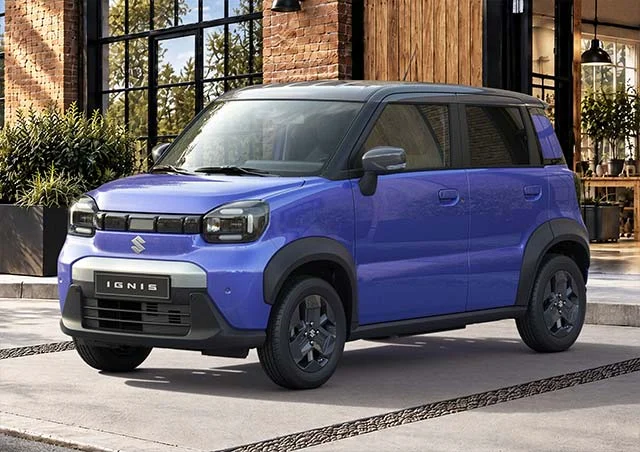
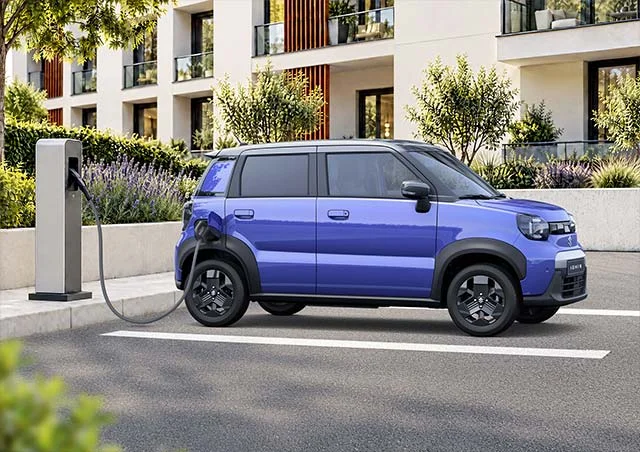
Suzuki Motor Corporation is using the Ignis to make its first move into the global compact EV market. Revealed online on November 25, 2026, the small electric car is scheduled to reach Europe and other markets from summer 2027.
The product strategy is clear: keep the dimensions and easy manoeuvrability associated with a city car, then make the transition from an internal-combustion vehicle feel familiar. Suzuki's concept, “Easy to Switch – the best city car for your neighbourhood,” puts daily usability ahead of headline performance figures. That positioning could matter in a segment where many buyers need a practical second car or want to downsize without giving up cabin comfort.
A city car shaped around tight spaces
The Ignis has a minimum turning radius of 4.5 metres, a specification that should have a direct impact on urban driving. Narrow streets, compact parking spaces and crowded city centres are precisely where a small EV can offer an advantage over larger electric crossovers.
Suzuki says the car has been tested on public roads in Europe and other markets, including urban routes and winding roads. Engineers used the results to adjust power delivery and chassis tuning for local road conditions. My read is that the company is treating predictable responses and ride comfort as central selling points for first-time EV buyers.
The electric powertrain brings the expected quiet operation and smooth acceleration, while the chassis work is intended to preserve a familiar driving feel. Suspension components were developed for the HEARTECT-e platform, with attention to handling stability and comfort across different surfaces.
Dedicated EV architecture, limited technical detail
The Ignis uses Suzuki's HEARTECT-e dedicated electric vehicle platform. Its battery sits beneath the body, helping create a rigid structure while leaving room for a usable cabin. The platform also supports the compact proportions needed for easy city driving.
A newly developed eAxle combines the motor, inverter and reduction gears in one assembly. That arrangement reduces the number of separate components and helps Suzuki keep the drive system compact and light.
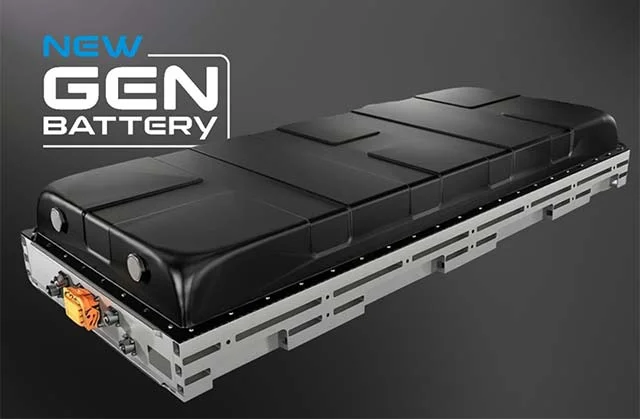
The battery uses lithium iron phosphate, or LFP, chemistry. Suzuki describes the choice as supporting safety and long service life, but it hasn't released the figures that will determine how competitive the Ignis is in practice. Battery capacity, motor output, driving range and charging performance remain undisclosed.
Those omissions leave the car's market position open. A compact footprint and low weight may suit short urban trips, but buyers will need range and charging data before they can judge whether the Ignis works beyond the city.
Familiar styling with a warmer cabin
Suzuki describes the design using three words: “Smart”, “Iconic” and “Cozy”. The exterior combines a flowing shoulder line with a floating roof, giving the small EV a lighter profile while retaining visual links to the Ignis nameplate.
LED lighting at both ends provides the strongest styling cue. The graphics draw inspiration from digital numerals and are intended to give the car a recognisable identity without making its appearance overly aggressive.
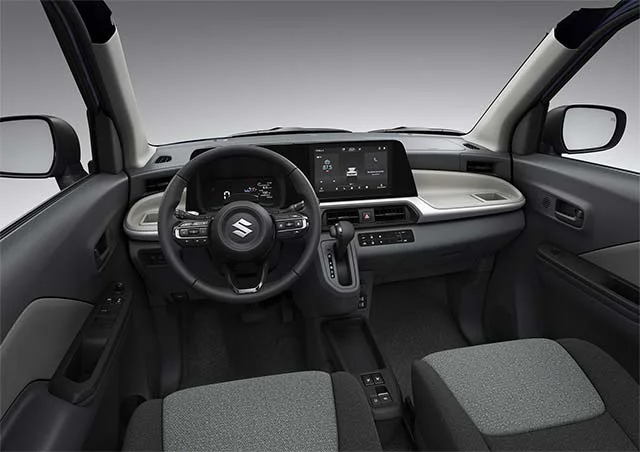
Inside, a rounded design runs from the dashboard into the door trim, creating a continuous line around the cabin. The dashboard includes a wide display and a storage tray with a ceramic-inspired finish. The layout suggests Suzuki is placing equal weight on usable storage and an approachable interior, areas that can matter more in a small vehicle than extra screen space.
Braking tuned for combustion car drivers
The Ignis includes regenerative hydraulic braking, an electric brake booster and an “easy-operation pedal”. Together, these systems are designed to make deceleration feel predictable while recovering energy during driving.
That focus addresses a practical hurdle in EV adoption. Drivers switching from petrol cars may not want to learn an unfamiliar braking response before they feel comfortable. Suzuki's road testing and pedal calibration appear aimed at making the first few drives feel natural.
Pricing and launch-market specifications have yet to be announced. For now, the Ignis stands out for its 4.5-metre turning radius, dedicated EV platform and compact LFP-based powertrain. The missing range and charging figures will decide how far this city-focused formula can stretch when sales begin in summer 2027.
Discussion
Sign in to join the discussion.