Volkswagen’s ID. Cross R-Line starts at €37,225, with up to 428 km of range, adaptive suspension and 226 PS arriving in 2027.
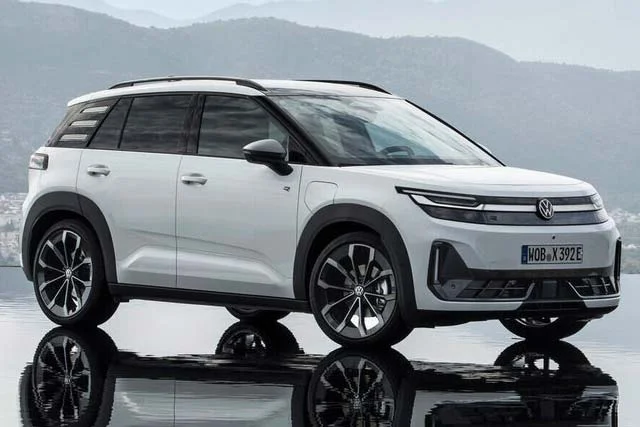
Volkswagen has opened German orders for the ID. Cross R-Line, adding a sport-focused trim to its electric compact SUV range. The model pairs dedicated exterior and cabin details with two electric powertrains. Its more powerful version also gets hardware intended to improve traction and handling, making the R-Line badge refer to more than appearance alone.
German Orders Open With the Entry Version
German pricing begins at €37,225 for the entry model, which pairs a 99 kW (135 PS) motor with a 37 kWh battery. Volkswagen claims up to 314 kilometres of WLTP range. That gives buyers a clear starting point in the R-Line range, though the claimed distance is a standardized figure and actual range depends on conditions such as speed, temperature and driving style.
The higher-output 166 kW (226 PS) model is due to enter pre-sales in the second half of March 2027. That timing separates the two versions: the styling-led entry model is available to order now in Germany, while buyers who want the added power and chassis equipment will have to wait. Volkswagen hasn't provided pricing for the more powerful version here.
Two Powertrains, One R-Line Formula
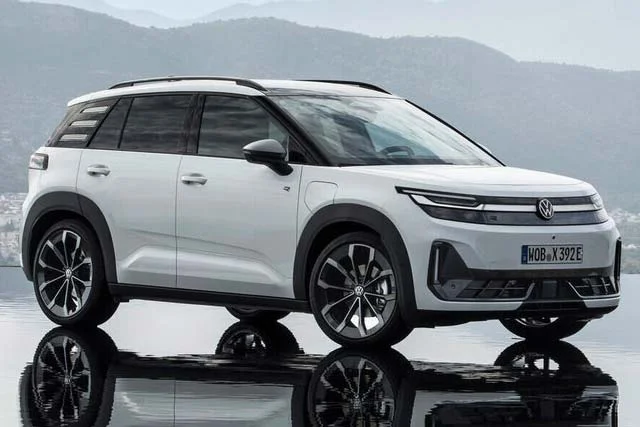
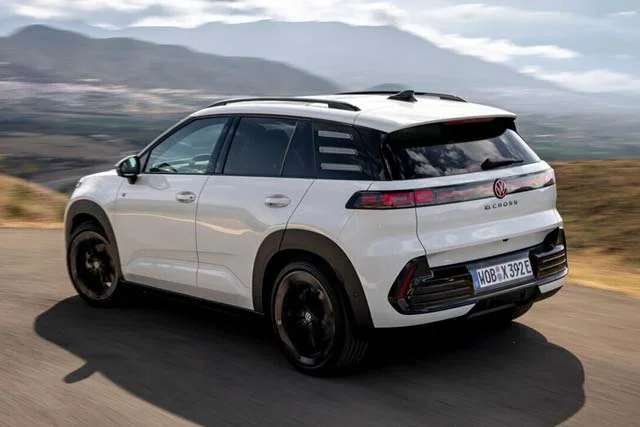
The lower-output ID. Cross R-Line is positioned as the accessible version, but its equipment gives it a distinct identity within the range. R-Line bumpers, vertical daytime running lights, 19-inch alloy wheels, anthracite mirror caps and an exterior side detail carrying R-Line lettering establish the look. These details make the trim easy to distinguish, even though the entry model doesn't get the performance hardware reserved for the top version.
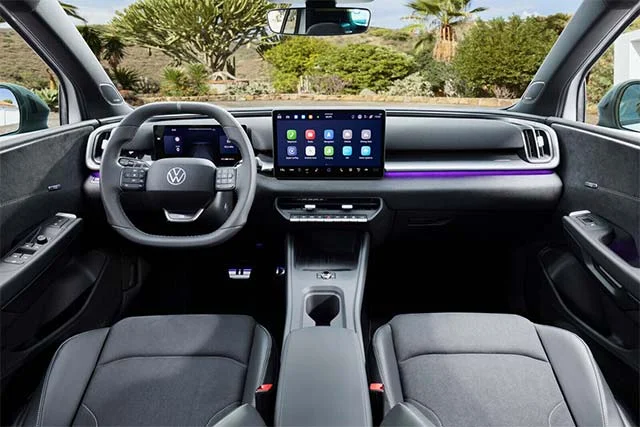
Inside, sports comfort seats use dedicated R-Line upholstery. Volkswagen also fits its interactive ID. Light system, with extensions into the front doors, alongside keyless access and ambient lighting. IQ.LIGHT LED matrix headlights with a distinct lighting signature are standard, giving the equipment list a mix of cabin presentation and everyday convenience.
Driver assistance equipment includes a rear-view camera and Adaptive Cruise Control, which maintains the selected gap to the vehicle ahead. Progressive steering is also standard; it gives the car a quicker response in tighter manoeuvres while aiming to keep reactions controlled at higher speeds. If you're comparing trims, that steering setup is a functional difference alongside the visual package.
226 PS Version Adds Performance Hardware
The range-topping model changes the character of the ID. Cross R-Line more substantially. Its 52 kWh battery supports up to 428 kilometres of WLTP range, and its 166 kW motor produces 290 Nm of torque. Volkswagen quotes a 0 to 100 km/h time of 6.9 seconds and a top speed of 175 km/h. Those figures make the flagship notably quicker than the entry version, although they don't by themselves explain how it will feel on ordinary roads.
Here's the thing: the extra output is only part of the upgrade. The flagship gets suspension lowered by 15 mm, DCC adaptive chassis control, progressive steering and an electronically controlled front differential lock as standard. That hardware points to a broader effort to manage how the power reaches the road, rather than relying on acceleration as the sole measure of sportiness.
The differential lock is intended to improve front-end traction, stability and steering behaviour when grip varies. DCC adjusts damping according to road conditions and the driving situation, while a vehicle dynamics manager coordinates the main chassis systems. Volkswagen's stated aim is a sharper response without giving up the comfort expected from a daily-use SUV. The balance will matter: firmer control can help a car feel more composed, but buyers will judge the result in normal commuting as much as on a winding road.
Traction Mode Targets Poor Grip
Volkswagen has reserved a Traction driving profile for the 226 PS version. It joins the existing Eco, Comfort, Sport and Individual modes, adjusting drivetrain behaviour and the front differential lock for slippery surfaces. The feature gives the top model a driving setting tied to its hardware, rather than simply another label in the mode selector.
The mode is aimed at wet and wintry roads, where measured power delivery can matter as much as peak output. That distinction is useful because a high-power front-wheel-drive setup can be harder to manage when grip is inconsistent. The available information doesn't describe how the system behaves in detail, but its purpose is clear: help the car maintain traction when conditions make acceleration less predictable.
Practicality Remains Intact
The R-Line treatment doesn't remove the ID. Cross's utility. The luggage compartment holds 475 litres, while a 25-litre front storage compartment provides room for smaller gear and charging accessories. Together, those spaces offer a practical counterweight to the trim's sportier presentation, though the figures alone don't tell buyers how easily the compartments accommodate their own luggage.
Versions with the 52 kWh battery can be ordered with a towing hitch. Maximum towing capacity reaches 1,200 kg, with a 75 kg drawbar limit; Volkswagen says that should cover loads such as two electric bicycles. The hitch is an option, so buyers who need to tow will need to account for that when choosing a configuration.
What the Two Versions Signal
This is more significant than it looks: Volkswagen is drawing a clearer line between a sport-themed trim and a performance-oriented one. The 135 PS model gets the R-Line design and comfort equipment, while the 226 PS version adds a larger battery, higher output and chassis systems aimed at traction and handling. The distinction gives buyers a reason to consider the upper model beyond its acceleration figures.
My read is that Volkswagen is using the R-Line name to split the ID. Cross into two propositions: an appearance-led 135 PS model available now in Germany, and a 226 PS version that makes chassis technology part of the purchase decision. And yet the strongest case for the flagship may be its broader set of capabilities, not its speed alone. For buyers who value the extra range, traction features and towing option, the package could justify waiting for the 2027 pre-sales window. For others, the entry model's styling and standard equipment may be the more relevant offer.
Discussion
Sign in to join the discussion.